
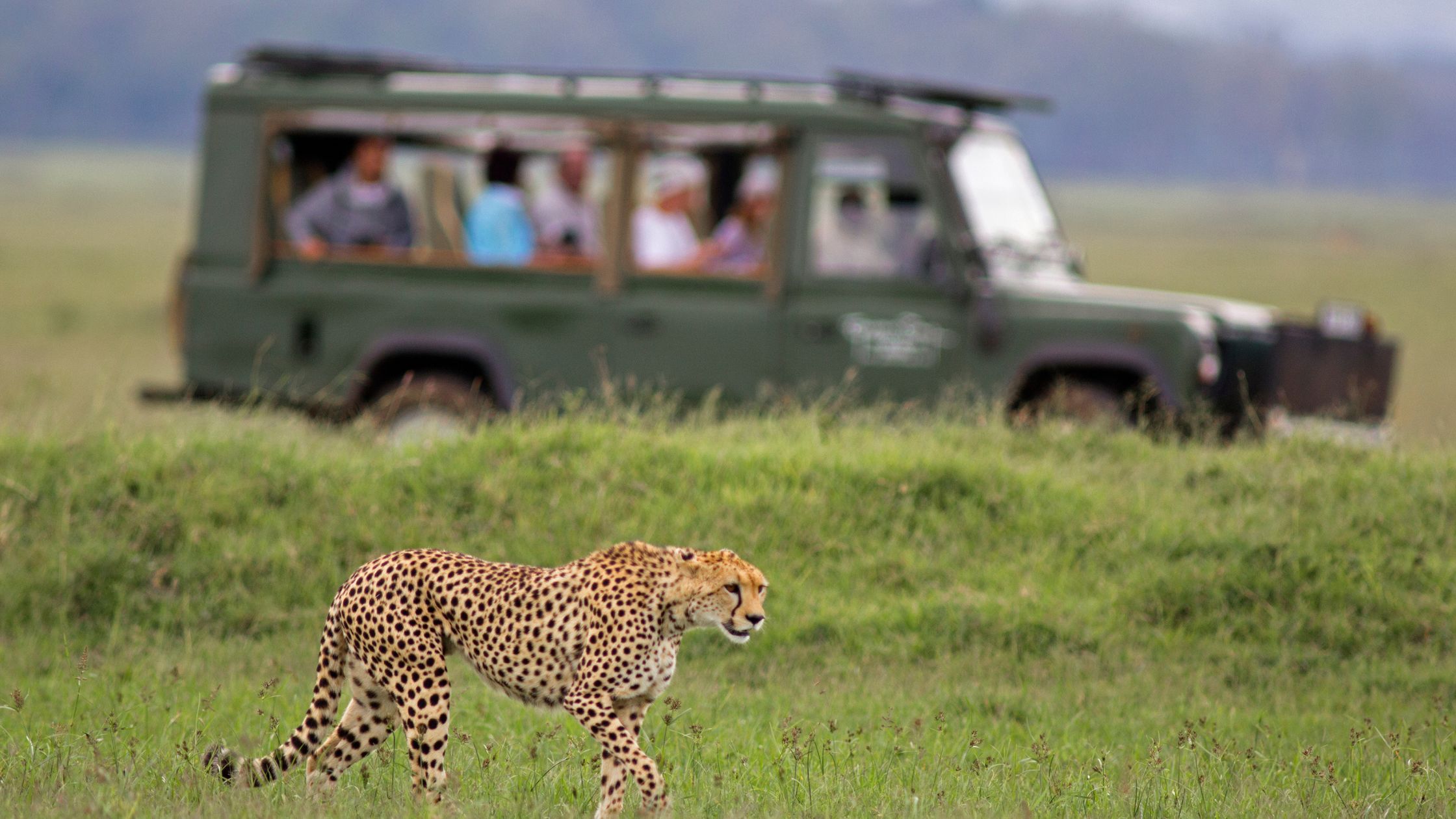
A safari in Kenya typically costs between $150 and $1,500+ per person per day, depending on your accommodation level, the destinations you visit, how you travel between parks, and the time of year. For a complete 7-day safari package, most travellers spend anywhere from $2,000 (budget) to $10,000+ (luxury) per person, excluding international flights.
Whether you’re dreaming of watching wildebeest thunder across the Maasai Mara National Reserve, photographing elephants against the snowcapped peak of Kilimanjaro in Amboseli National Park, or spotting rare Grevy’s zebras in Samburu, Kenya delivers one of the most extraordinary wildlife experiences on earth. And with the right guidance, it’s accessible at almost any budget.
This guide breaks down every cost you need to know (from park fees and accommodation to hidden extras) so you can plan your Kenya safari with complete confidence.
Kenya Safari Cost Breakdown (Quick Overview)
Here is a realistic snapshot of what a Kenya safari costs per person per day in 2026, based on actual package pricing. These rates typically include accommodation, all meals, game drives, a professional guide, and ground transport during the safari. They do not include international flights, visas, tips, or special activities.
| Safari Type | Cost Per Person Per Day | Best For |
| Budget | $150 – $300 | Backpackers, first-timers on a tight budget |
| Mid-Range | $300 – $700 | Best value; most popular choice |
| Luxury | $700 – $1,500 | Comfort, exclusivity, premium lodges |
| Ultra-Luxury | $1,500 – $5,000+ | Private conservancies, fly-in camps, bespoke service |
💡 Quick Answer: A Kenya safari costs between $150 and $1,500+ per person per day. A 7-day mid-range safari averages $3,000–$5,000 per person. Budget safaris start around $1,200 per person for 5–6 days. Luxury options begin at $5,000+ per person for a week.
What Determines the Cost of a Safari in Kenya?
Several key factors influence your total Kenya safari price. Understanding these will help you make smarter decisions and get more for your money.
1. Accommodation Level
Accommodation is the single biggest cost variable on any safari. The spectrum runs from basic tented camps to world-class lodges with private plunge pools and personal butlers.
- Budget camps and basic lodges: $50–$150 per person per night. Often located just outside park boundaries to avoid park camping fees. Shared facilities, simple meals, functional rather than luxurious.
- Mid-range lodges and tented camps: $150–$400 per person per night. Private bathrooms, included meals, comfortable furnishings, and great wildlife proximity. This is the sweet spot for most travellers.
- Luxury lodges and permanent tented camps: $400–$1,500+ per person per night. Think canvas suites with four-poster beds, gourmet bush dinners, private game vehicles, and locations deep inside the best wildlife areas. Many include all drinks, laundry, and even internal flights.
2. Number of Days
The longer your safari, the more you see, but also the more you spend. A good rule of thumb:
- 3–4 days: Possible but rushed; best suited for a single destination like Maasai Mara
- 5–7 days: The most popular range; allows for 2–3 parks
- 8–14 days: Comprehensive; Kenya’s full highlights or a Kenya–Tanzania combination
Longer trips often work out to a lower cost per day because setup costs (airport transfers, first-night accommodation) are spread over more days.
3. Transport: Road vs. Fly-In
How you get between parks has a major impact on both cost and experience.
- Road safaris: The most affordable option. A private 4×4 Land Cruiser with a driver-guide is typically included in your package. The downside is travel time; the drive from Nairobi to the Maasai Mara, for example, takes 5–6 hours.
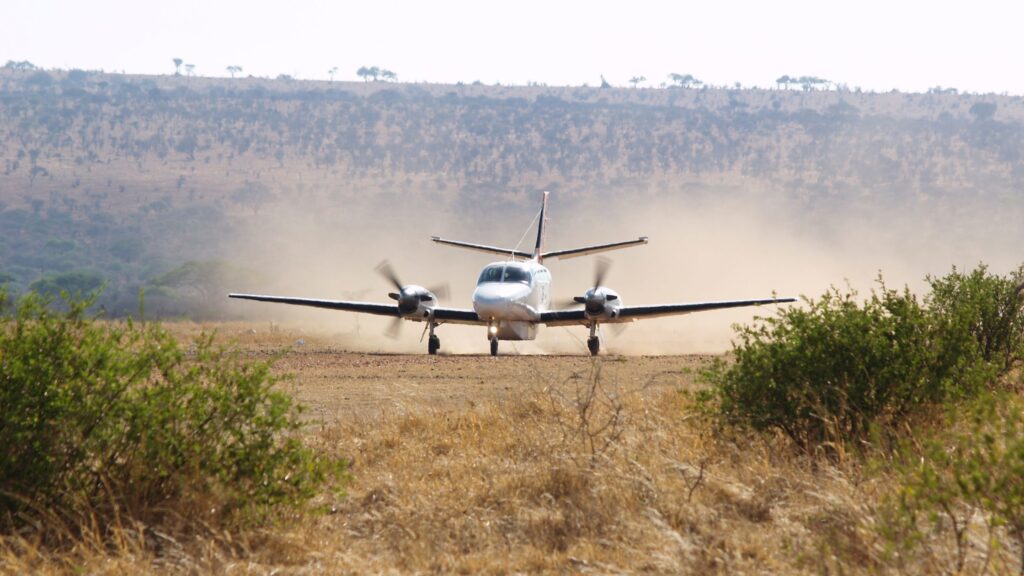
- Fly-in safaris: Domestic bush flights (e.g., Nairobi to Maasai Mara) cost $150–$300 one way and cut travel time to 45 minutes. They add significantly to the cost but make longer itineraries far more enjoyable. Our 5-Day Classic Wings Safari is a great example of a fly-in option.
4. Park and Conservancy Fees
Kenya’s national parks charge mandatory entry fees, and these are non-negotiable; they go directly toward wildlife conservation and anti-poaching efforts. Park fees can account for 20–35% of your total safari cost, depending on the itinerary.
2026 Park Fees for Non-Residents (per adult per day):
| Park / Reserve | Fee (Low Season Jan–Jun) | Fee (High Season Jul–Dec) |
| Maasai Mara National Reserve | $100 | $200 |
| Amboseli National Park | $60 | $60 |
| Lake Nakuru National Park | $60 | $60 |
| Tsavo East / Tsavo West | $52 | $52 |
| Samburu National Reserve | $52 | $52 |
| Aberdare National Park | $52 | $52 |
| Mount Kenya National Park | $52 | $52 |
| Private Conservancies (Ol Pejeta, Mara North, etc.) | $80–$150 (bundled in lodge rate) | $80–$150 (bundled in lodge rate) |
Important note on the Maasai Mara: Fees doubled from July onwards and now operate on a 12-hour calendar-day system. Enter at 4pm today and your ticket expires at 6pm the same day, not 4pm tomorrow. A good operator will plan your itinerary to avoid paying for a day you barely use. All Imela Tours & Travel safari packages include park fees in the quoted price.
5. Season: High vs. Low Season
The time of year you travel affects pricing significantly, especially in the Maasai Mara.
- Peak Season (July–October): The Great Migration. Wildebeest river crossings. This is the most sought-after safari experience in the world and priced accordingly. Accommodation rates spike 30–50%, and the Maasai Mara park fee doubles to $200/day.
- Shoulder Season (November–December, January–March): Good wildlife, lower crowds, and some of the best photography conditions. Prices are more moderate.
- Low / Green Season (April–June): Kenya’s rainy season. Prices are at their lowest (20–40% below peak), and the landscape is lush and dramatic. Some luxury camps close during this period, but wildlife viewing remains excellent, and the Mara is far less crowded.
6. Group Size
Group size directly affects your per-person cost, particularly for ground transport. A private safari vehicle for 2 people costs much more per person than the same vehicle shared by 4 or 6.
- Solo travellers: Expect a single supplement surcharge, or join a group departure.
- Couples: Most packages are priced per person, so sharing a vehicle is efficient.
- Groups of 4–6: The most cost-effective scenario. The vehicle and guide cost is spread widely.
- Families: Child rates are often available for under-12s. Our dedicated 6-Day Family Safari is designed with younger travellers in mind.
7. Who You Book With
Booking directly with a local Kenyan operator like Imela Tours & Travel is typically 30–300% cheaper than booking through a large international travel agent or a safari company based in your home country. Local operators have on-the-ground relationships, no middleman mark-up, and far more flexibility to customise your itinerary.
Cost of Popular Kenya Safari Packages in 2026
To make this tangible, here are realistic price ranges for the most popular Kenya safari itineraries. All prices are per person, based on double occupancy, and include accommodation, meals, game drives, a professional guide, and park fees.
3-Day Maasai Mara Safari: from $600–$1,800 per person
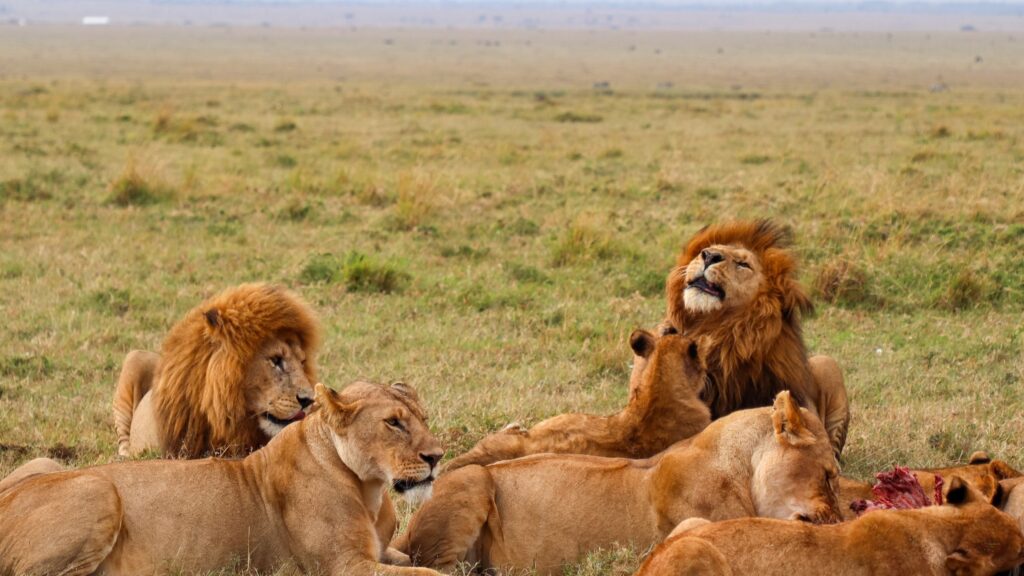
The most popular entry-level Kenya safari. You fly or drive from Nairobi, spend 2 nights in the Mara, and return on day 3. Enough time for 3–4 game drives and a genuine Big Five experience. Our 3-Day Maasai Mara Fly-In Safari is one of our most booked packages.
4-Day Maasai Mara & Lake Nakuru: from $900–$2,500 per person
Adding Lake Nakuru National Park gives you flamingos, rhinos, and a striking crater lake; with very little added cost. See our 4-Day Maasai Mara & Lake Nakuru Safari.
5-Day Kenya Safari: from $1,200–$3,500 per person
The sweet spot for first-time visitors. Our 5-Day Scenic Kenya Safari covers multiple parks and gives you enough time to absorb the landscapes without rushing.
6-Day Maasai Mara Migration Safari: from $1,800–$5,000 per person
Designed specifically around the Great Migration (best July–October), this itinerary maximises your time in the Mara. See our 6-Day Maasai Mara Migration Safari.
7-Day Kenya Classic Safari: from $2,200–$6,000 per person
One of the most popular itinerary lengths globally. Our 7-Day Kenya Classic Safari typically covers the Maasai Mara, Amboseli, and one Rift Valley lake; a comprehensive first-time Kenya experience.
12-Day or 14-Day Kenya Safari: from $4,500 to $12,000+ per person
For the dedicated wildlife enthusiast. Our 14-Day Best of Kenya Safari covers nearly every major park and reserve, including bird watching hotspots like Kakamega Forest and Lake Baringo.
Kenya–Tanzania Combined Safari: from $5,000 to $15,000+ per person
Combining Kenya’s Maasai Mara with Tanzania’s Serengeti and Ngorongoro Crater is the ultimate East African safari. Our 13-Day Kenya–Tanzania Safari covers both countries in depth.
Budget vs. Mid-Range vs. Luxury Safari: Detailed Comparison
🟢 Budget Safari Kenya ($150–$300 per person per day)
Budget safaris are a real and rewarding option; the wildlife doesn’t know how much you paid, and the Maasai Mara is spectacular at every price point.
What to expect:
- Shared group safari vehicle (minibus or basic 4×4, typically 4–7 other travellers)
- Accommodation in basic tented camps or budget lodges, often just outside park gates
- En-suite bathrooms in most cases, though not guaranteed at the entry end
- All meals included, but no alcohol
- Fixed itineraries; less flexibility to adjust game drive timing or routes
- Parks like Tsavo East, Tsavo West, and Amboseli offer excellent budget options where park fees are lower
Best for: Solo travellers, backpackers, students, anyone who wants a genuine safari experience without stretching their budget to breaking point.
Sample budget trip: Our 3-Day Amboseli Budget Safari is one of the best-value ways to see Kenya’s wildlife.
🔵 Mid-Range Safari Kenya ($300–$700 per person per day)
Mid-range is by far the most popular category, and for good reason. You get genuine comfort, high-quality guiding, and excellent wildlife access at a price that still represents remarkable value compared to what you get back home for a similar spend.
What to expect:
- Private or semi-private game vehicles (usually a maximum of 6 guests)
- Comfortable tented camps or lodges with private bathrooms, hot water, electricity
- Accommodation inside or immediately adjacent to the best wildlife areas
- All meals and usually non-alcoholic drinks included
- More flexible itineraries with experienced driver-guides who know how to find wildlife
- A mix of morning and afternoon game drives, sometimes bush walks
Best for: Most international visitors, couples, small groups, anyone who wants the full experience without the premium price tag.
Sample mid-range trips: 7-Day Highlights of Kenya Safari, 6-Day Vintage Kenya Safari.
🟡 Luxury Safari Kenya ($700–$1,500+ per person per day)
Kenya does luxury better than almost anywhere on earth. The top-end camps in the Maasai Mara, Amboseli, and private conservancies like Ol Pejeta are world-class by any standard; the kind of places that appear in Condé Nast Traveller and National Geographic.
What to expect:
- Fully private game vehicles; just your group and a dedicated guide
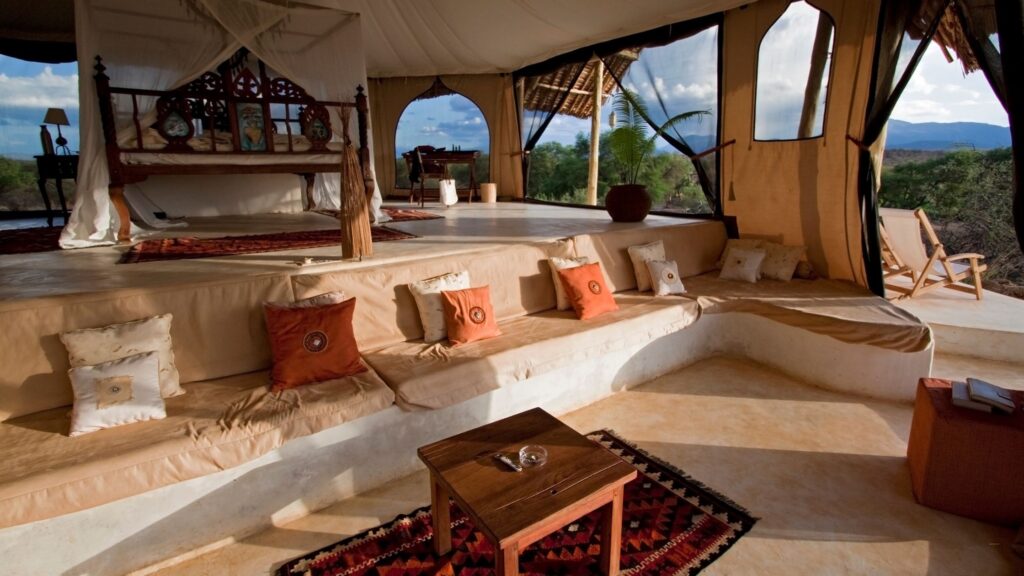
- Accommodation in iconic lodges or exclusive tented camps with private plunge pools, indoor-outdoor showers, and verandas overlooking waterholes
- All meals, drinks (including alcohol and premium wines), laundry, and most activities included
- Fly-in transfers replacing road drives; no hours in a vehicle between parks
- Night drives and walking safaris in private conservancies (not permitted in national parks)
- Access to private conservancies bordering national parks, meaning far fewer vehicles and more exclusive wildlife encounters
- Personalised service, including sundowners in the bush, private dining, and bespoke activities
Best for: Honeymooners, special occasions, travellers who want zero compromise on comfort, photography enthusiasts.
Sample luxury trips: 5-Day Classic Wings Safari, 11-Day Conservation Safari.
Hidden Costs to Watch Out For on a Kenya Safari
Many first-time safari travellers are surprised by costs that aren’t included in their package price. Budget for these separately:
✈️ International Flights
Not included in any safari package. Flights from the USA to Nairobi (JKIA) typically cost $700–$1,400 return depending on the airline, season, and how far in advance you book. From the UK, expect £500–£1,000. From Australia, AUD $1,800–$3,500. Kenya Airways, Ethiopian Airlines, British Airways, KLM, and Emirates are popular carriers.
🛂 Kenya eTA (Electronic Travel Authorization)
Kenya no longer issues visas on arrival. All foreign visitors must apply online for an eTA before departure. The government fee is $30–$35 USD for most nationalities (US, UK, EU, Australia, Canada). Apply at the official Kenya eTA portal at least 3 days before travel. US citizens also have the option of a 5-year multiple-entry eTA for $185.
💰 Tipping
Tipping is customary and genuinely important to the people who make your safari unforgettable. A widely used guideline:
- Driver-guide: $15–$20 per person per day
- Camp/lodge staff (pooled): $10–$15 per person per day
- Speciality guides (walking, boat): $10–$15 per activity
For a 7-day safari, budget roughly $200–$300 per person for tips.
🎈 Hot Air Balloon Safari
A sunrise balloon flight over the Maasai Mara is one of Kenya’s most iconic experiences, and it costs extra. Budget $450–$600 per person, which typically includes a champagne bush breakfast on landing. It’s worth every cent if it’s in your budget.
🏥 Travel Insurance
Non-negotiable. A comprehensive travel insurance policy including medical evacuation cover (essential in remote areas) typically costs $100–$300 per person for a 2-week trip depending on your age, home country, and coverage level. Do not travel without it.
💊 Vaccinations and Health Prep
Yellow fever vaccination is required if you’re travelling from a yellow fever-endemic country. Malaria prophylaxis is strongly recommended for most Kenya safari regions. Consult a travel health clinic at least 6 weeks before departure. Budget $100–$300 for vaccinations and medications depending on what you need.
🥂 Drinks and Extras
Budget-level packages typically exclude alcohol. Mid-range packages often include non-alcoholic drinks only. Luxury packages usually include house wines and spirits. Check exactly what your package includes before you travel.
How to Save Money on a Kenya Safari
A Kenya safari doesn’t have to break the bank. Here are the smartest ways to get more for your money:
Travel in low or shoulder season. Visiting between April and June, or in January–March, can cut accommodation costs by 20–40%. The Maasai Mara park fee also drops from $200 to $100 per day (Jan–Jun). Wildlife viewing is still excellent; lions, elephants, and the Big Five are present year-round.
Choose a road safari over fly-in. Internal flights are convenient but expensive. A road safari with a quality operator gives you the same wildlife access at a significantly lower price, especially if you choose an itinerary that avoids very long driving days.
Book directly with a local operator. International safari booking companies add substantial mark-ups. Booking directly with a Kenya-based company like Imela Tours & Travel means you pay local rates, with local expertise, and local accountability. Get a free quote directly from our team.
Travel as a group. Vehicle and guide costs are fixed regardless of how many people are in the vehicle. A private safari for 4 people costs roughly the same as for 2; meaning each person pays considerably less. If you’re travelling solo, joining a group departure can deliver serious savings.
Book early. Peak season accommodation in the Maasai Mara books out months in advance. Booking 6–12 months ahead often secures better rates and guarantees your preferred lodge.
Consider less-visited parks. Tsavo East and West, Samburu, and Lake Naivasha offer outstanding wildlife at lower park fees than the Maasai Mara. Including these in your itinerary can significantly reduce your overall cost without compromising the experience.
Combine parks efficiently. A well-designed itinerary that minimises transit time and maximises wildlife-viewing time gives you the best value. Our team plans every route with this in mind.
Is a Kenya Safari Worth the Cost?
Yes, unambiguously, yes. And here’s why this isn’t marketing speak.
Kenya is one of the few places on earth where you can watch a cheetah sprint across an open plain, witness a lion pride with cubs at dawn, see a herd of 500 elephants at a waterhole, and stand at the edge of a river crossing during the Great Migration, all in a single week. There is no zoo, documentary, or screen of any resolution that comes close to the reality of it.
The Big Five (lion, leopard, elephant, buffalo, and rhino) are all resident in Kenya’s parks and conservancies. The Maasai Mara National Reserve consistently ranks among the world’s top wildlife destinations for a simple reason: the density and diversity of wildlife is extraordinary. On a 3-day visit, it’s entirely normal to see all five before breakfast on the second morning.
The Great Wildebeest Migration, which passes through the Mara between July and October, is the largest overland animal migration on earth, with an estimated 1.5 million wildebeest, 200,000 zebra, and 500,000 gazelle moving in a continuous cycle between Kenya and Tanzania. Watching a river crossing, with crocodiles waiting in the water below and wildebeest launching themselves in a thundering cascade, is the kind of experience that changes your sense of what the natural world can offer.
And beyond the wildlife: Kenya’s landscapes are stunning. The Aberdare highlands, the red plains of Samburu, the dramatic escarpment of the Rift Valley, the perfect cone of Mount Kilimanjaro rising above Amboseli’s elephant plains. Every destination is visually magnificent.
Travellers consistently report that a Kenya safari is among the most meaningful experiences of their lives. The cost, whether $2,000 or $15,000, is almost always described as worth every penny.
Frequently Asked Questions About Kenya Safari Cost
How much does a safari in Kenya cost per person?
A Kenya safari costs between $150 and $1,500+ per person per day depending on accommodation level, season, and destinations visited. For a complete 7-day package, most travellers budget between $2,000 (budget) and $7,000+ (mid-range to luxury) per person, excluding flights.
What is the cheapest way to do a Kenya safari?
The most affordable options are shared group safaris with basic accommodation, travelling in low season (April–June), and choosing parks with lower park fees such as Tsavo East, Tsavo West, or Amboseli instead of the Maasai Mara. Budget safaris start from around $150–$180 per person per day. Our 3-Day Amboseli Budget Safari is one of the best-value entry points.
Is Kenya cheaper than Tanzania for a safari?
Generally, yes. Kenya tends to be slightly more affordable than Tanzania for comparable itineraries, partly due to more competitive local operator pricing and a wider range of budget accommodation options. Tanzania’s Serengeti and Ngorongoro Crater have their own premium pricing. That said, a combined Kenya–Tanzania safari is the ultimate experience and can be excellent value when planned well.
When is a Kenya safari cheapest?
April and May are the cheapest months; Kenya’s long rains season. January to March and November are also good-value shoulder season months. The most expensive period is July to October (Great Migration season), when both accommodation rates and Maasai Mara park fees are at their peak.
How many days is enough for a Kenya safari?
A minimum of 5 days is recommended for a meaningful Kenya safari experience. Most first-time visitors choose 7–10 days, which allows for 2–3 parks without feeling rushed. If you have 12–14 days, you can experience Kenya comprehensively. Even a 3-day fly-in trip to the Maasai Mara can be transformative if time is limited.
What’s included in a Kenya safari package?
Most all-inclusive Kenya safari packages include accommodation, all meals (breakfast, lunch, dinner), game drives (typically two per day), a professional driver-guide, a dedicated 4×4 vehicle, national park fees, and airport/hotel transfers. They generally exclude international flights, the Kenya eTA, travel insurance, alcoholic drinks (unless luxury-tier), tips, and optional activities like balloon safaris.
Do I need travel insurance for a Kenya safari?
Absolutely. Travel insurance with medical evacuation cover is essential. Safari regions are remote, and medical facilities outside Nairobi are limited. A comprehensive policy also covers trip cancellation, lost luggage, and other travel disruptions. Factor in $100–$300 per person.
Can I book a Kenya safari last minute?
It’s possible in low season. However, peak season (July–October) is heavily booked, particularly in the Maasai Mara. Most operators recommend booking 6–12 months in advance for travel between July and October to secure your preferred camp and pricing. Contact our team to check current availability.
Final Thoughts: Planning Your Kenya Safari Budget
A Kenya safari can fit almost any budget; the key is knowing how to structure your trip to get the best possible experience for what you’re spending.
Here’s a simple summary to guide your planning:
- Under $2,000 per person (excl. flights): Focus on a 3–5 day budget safari combining one or two parks. Tsavo + Amboseli is a great low-cost combination. Shared transport and basic but functional accommodation.
- $2,000–$5,000 per person: The mid-range sweet spot. A 6–8 day itinerary covering the Maasai Mara and two to three other parks, comfortable lodges, a private vehicle, and an experienced guide.
- $5,000–$10,000 per person: Luxury experience. Fly-in options, premium camps, private conservancy access, and the Maasai Mara during peak migration season.
- $10,000+ per person: Ultra-luxury or an extended Kenya–Tanzania combination. The best camps in East Africa, fully bespoke, nothing compromised.
At Imela Tours & Travel, we’re a Nairobi-based team with deep local expertise and on-the-ground relationships across Kenya’s best parks and lodges. We design safaris for all budgets; and because we’re local, you’re getting the best possible value without a middleman mark-up.
Ready to start planning? Get your free, no-obligation safari quote and tell us your dates, budget, and interests. We’ll come back to you with a personalised itinerary within 24 hours. You can also browse our safari packages or learn more about us before reaching out.
Your Kenya safari starts here.
For official and up-to-date park fee information, visit the Kenya Wildlife Service website. For eTA applications, use the official Kenya eTA portal.