If you only have a few days in Kenya, the Maasai Mara is still worth building your trip around. A 3-day Maasai Mara safari itinerary gets you out of Nairobi, into the reserve, and through a full day of game drives before you have to head back, and for most first-time visitors, that is enough to come home with real lion, elephant, and zebra sightings rather than a list of things you meant to see.
This guide walks through exactly what happens on each of the three days, what to expect from the drive, the game drives, the accommodation, and the wildlife, plus what it costs, what to pack, and how to decide if three days is really the right length for you.
Not sure this is the right itinerary for your dates? Request a free, no-obligation quote and our Nairobi-based team will build a 3-day Maasai Mara safari around your travel dates, budget, and group size.
Quick Answer: Is 3 Days Enough for Maasai Mara?
Quick Answer: A 3-day Maasai Mara safari usually runs Nairobi to the reserve on Day 1 with an afternoon or evening game drive, a full day of game viewing on Day 2 with a picnic lunch inside the reserve, and a return drive to Nairobi on Day 3, sometimes with a short morning game drive first. Three days is enough for a short, rewarding safari with a real chance at Big Five sightings, though 4 or more days give more relaxed pacing and better odds during migration season.
Is 3 Days Enough for a Maasai Mara Safari?
Yes. For most first-time visitors, weekend travellers, and anyone with limited time in Kenya, three days is enough for a Maasai Mara safari that actually delivers. You get one scenic road transfer from Nairobi, an afternoon or evening game drive on arrival, a full day of game viewing on Day 2, and a return transfer on Day 3. That is enough time to see lions, elephants, giraffes, zebras, buffaloes, and dozens of other species, and a realistic (never guaranteed) shot at the full Big Five.
What three days does not give you is slack. There is no spare day if a game drive gets rained out, no extra morning to chase a leopard sighting that got away, and less room to linger near the Mara River during migration season. A 4-day or 6-day Maasai Mara safari trades some of that compactness for a second full day in the park, which matters more the busier the season.
For travellers with limited time, three days is a strong starting point. For those who want a slower, deeper safari, our team can build a 4-day Maasai Mara and Lake Nakuru safari or a 6-day Maasai Mara migration safari instead.
Quick Overview of a Typical 3-Day Maasai Mara Safari
| Day | Main Activity | What to Expect |
| Day 1 | Nairobi to Maasai Mara plus afternoon or evening game drive | Scenic drive via the Great Rift Valley and Narok, check-in, lunch, first game drive |
| Day 2 | Full-day Maasai Mara game drive | Early breakfast, wildlife viewing, picnic lunch, search for big cats and plains wildlife |
| Day 3 | Breakfast plus return to Nairobi | Optional short morning activity, check-out, drive back to Nairobi |
Exact timing depends on your departure point, road conditions, accommodation location, which gate you enter through, the season, and whether you have booked a budget, mid-range, or luxury package. Treat the table above as the shape of the trip, not a fixed clock.
Day 1: Nairobi to Maasai Mara + First Game Drive
Morning Pickup in Nairobi
Most 3-day safaris begin early, usually with pickup from a Nairobi hotel, Jomo Kenyatta International Airport, Wilson Airport, a CBD meeting point, or a private residence within Nairobi. Expect an early morning start, though exact pickup times depend on your specific package and where you are staying. Confirm this with Imela Tours once your dates and pickup location are set.
Scenic Drive Through the Great Rift Valley
The drive itself is part of the experience, not just a means to get there. You will head out of Nairobi on the A104, descend past the Great Rift Valley escarpment near Mai Mahiu (a genuinely worthwhile photo stop), then continue through Narok town, the last real stop for fuel, a bathroom break, and a chance to buy Maasai crafts before the road narrows toward the reserve.
Nairobi to Narok is roughly 2 to 3 hours on tarmac in reasonable condition. From Narok, the final stretch to the gates gets rougher, and the last section before most entry points is unpaved, so pack water, snacks, sunglasses, and a light jacket, and expect some dust regardless of the season.
Arrival, Check-In, and Lunch
Total road time from Nairobi to the Mara runs 5 to 6.5 hours depending on which gate you are using, with Sekenani and Talek on the closer, eastern side and Musiara and Oloololo on the western side adding another 30 minutes or so. Most guests arrive at the lodge or camp around lunchtime or early afternoon. You will be welcomed at camp, check in, have lunch, and get a short rest before the first game drive.
Afternoon or Evening Game Drive
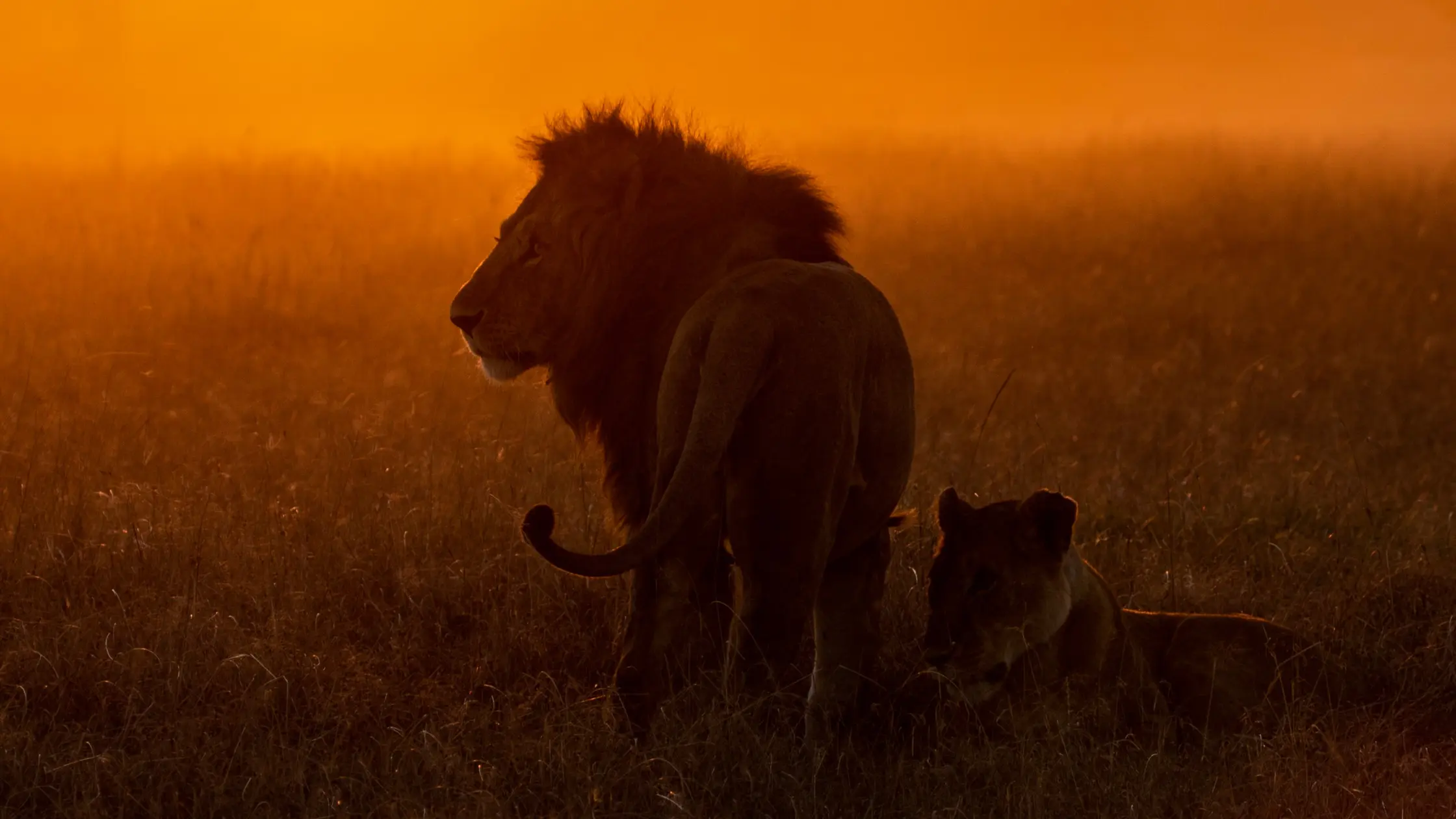
This is the first real safari moment, and it tends to set the tone for the whole trip. Depending on arrival time, you might head out mid-afternoon or closer to sunset. Expect zebras, wildebeest, giraffes, elephants, buffaloes, and various antelope species on almost any drive, with hyenas and birds of prey common and lions a real possibility. Nobody can promise you a specific animal on a specific drive; the wildlife doesn’t know how much you paid, and that unpredictability is part of what makes it worth seeing in the first place. A game drive with an experienced guide still meaningfully improves your odds, since local drivers track radio updates from other vehicles across the reserve.
Dinner and Overnight Stay
After the drive, you return to camp for dinner and your first night in the Mara. Accommodation ranges from budget tented camps to mid-range lodges to luxury camps and private conservancy stays, and the level you choose shapes the whole trip, from meal quality to how close you might get to a night sound outside your tent.
Day 2: Full-Day Game Drive in Maasai Mara
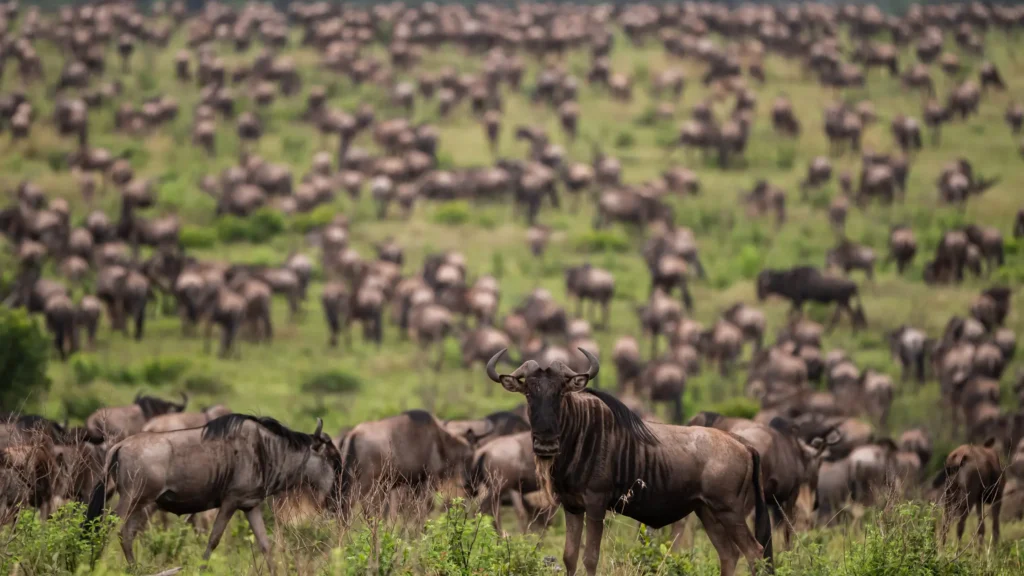
This is the heart of a 3-day itinerary, and if you only remember one day from the whole trip, it will probably be this one.
Early Breakfast and Departure
Safari mornings start early because wildlife is most active in the cooler hours right after sunrise. Expect an early breakfast, a packed picnic lunch, and a full-day game drive departure while the light is still soft and the temperature hasn’t climbed yet.
Exploring the Open Plains
The Mara’s landscape does a lot of the work here on its own: open grasslands that run to the horizon, riverine forest along the watercourses, scattered acacia trees, and a sky that feels bigger than it has any right to. Your guide will move between zones through the day based on where sightings are being reported.
Wildlife You May See on Day 2
Possible sightings on a full-day drive include:
- Lions, elephants, buffaloes, cheetahs, and (with more luck) leopards
- Giraffes, zebras, wildebeest, topis, gazelles, and elands
- Hyenas and jackals
- Hippos and crocodiles near rivers and water crossings
- Secretary birds, vultures, eagles, ostriches, and dozens of other species, since the Mara alone hosts more than 500 recorded bird species out of Kenya’s 1,100-plus
Sightings depend on season, weather, recent animal movement, and a fair amount of luck. Any operator promising guaranteed sightings of a specific species is overselling the experience.
Picnic Lunch in the Reserve
Full-day drives usually include a picnic lunch eaten at a safe, designated spot inside the reserve, so you are not losing hours doubling back to camp at midday. It also means more ground covered and more chances to catch something happening in the afternoon light.
Optional Mara River Visit
If your itinerary and season allow, your guide may head toward the Mara River, particularly during Great Migration season from roughly July to October. Be honest with yourself about expectations here: river crossings are never guaranteed. They depend on where the herds happen to be that day, and even guides with decades of experience can only make an educated guess, not a promise.
Return to Camp/Lodge
Late afternoon, you head back to camp for dinner, a chance to relax by the fire or in the lounge where available, and time to compare notes with your guide on what the day turned up. It is a good moment to ask questions about tomorrow’s drive back, especially if you have a tight flight connection.
Day 3: Breakfast, Optional Morning Activity, and Return to Nairobi
Morning Breakfast and Check-Out
Day 3 typically starts with breakfast at the camp or lodge, followed by check-out. This is also the day with the most scheduling constraints, so it is worth understanding why before you get there.
Optional Short Morning Game Drive
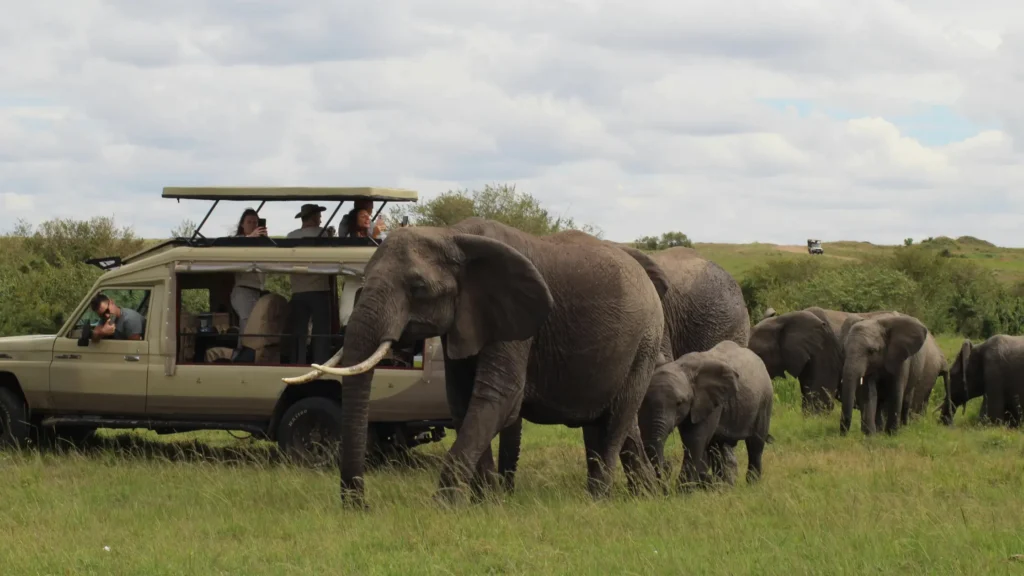
Depending on your package, accommodation location, and park-entry arrangements, Day 3 may include a short morning game drive before leaving the Mara. Some packages build this in as standard; others skip it because of departure logistics. One detail worth knowing: the Maasai Mara runs a strict checkout rule, and guests departing by road are generally expected to exit the reserve by 10:00 a.m. on their final day, or risk being charged for an additional full day’s park entry. Departing by air carries a similar cutoff for reaching the airstrip. It is a small detail that can meaningfully change how a Day 3 morning drive gets planned, and it is worth confirming directly with your operator rather than assuming.
Drive Back to Nairobi
From the Mara, you retrace the route through Narok and back up through the Great Rift Valley. Arrival in Nairobi is typically late afternoon or early evening, depending on your departure time, road conditions, traffic on the approach into the city, and any stops along the way.
Drop-Off Options
Common drop-off points include your Nairobi hotel, JKIA, Wilson Airport, the CBD, a private residence, or another agreed location. If you have an international flight departing the same evening, avoid booking anything with a very tight connection. Road delays happen, and confirming your Day 3 timing with Imela Tours before you book gives you a much better safety margin than hoping for the best.
What Is Usually Included in a 3-Day Maasai Mara Safari Package?
Inclusions vary by operator and by specific package, so always confirm the details before booking. As a general guide:
Commonly included:
- Transport from Nairobi and back
- Professional safari driver-guide
- Safari vehicle
- Accommodation for 2 nights
- Meals as per the itinerary
- Game drives
- Bottled drinking water during the safari
- Park entry fees, if bundled into the package
- Pickup and drop-off within agreed Nairobi locations
Commonly excluded:
- International flights
- Kenya eTA fees
- Travel insurance
- Tips and gratuities
- Alcoholic drinks
- Personal expenses
- Optional Maasai village visit or hot-air balloon safari
- Extra accommodation before or after the safari
- Park fees, on packages that quote them separately
One thing worth knowing before you compare quotes: the Maasai Mara National Reserve is managed by the Narok County Government, not by the Kenya Wildlife Service, so it runs its own fee and payment system rather than the standard KWS eCitizen portal used for parks like Amboseli or Tsavo. It is a small administrative distinction, but it is exactly the kind of detail that trips up self-drive travellers who assume every Kenyan park works the same way.
Budget, Mid-Range, or Luxury: Which 3-Day Maasai Mara Safari Should You Choose?
Budget 3-Day Maasai Mara Safari
Best for backpackers, students, Kenyan residents, price-sensitive travellers, and groups. Expect a simple tented camp, a shared or private vehicle depending on the specific package, and basic but genuinely decent meals. This tier suits travellers who care more about the game drives than the thread count. Our budget safari in Kenya guide covers the full cost breakdown.
Mid-Range 3-Day Maasai Mara Safari
Best for couples, families, and first-time safari travellers who want real comfort without paying for the premium tier. Expect a comfortable lodge or tented camp, better room facilities, and stronger dining, with a good balance between price and comfort throughout.
Luxury 3-Day Maasai Mara Safari
Best for honeymooners, anniversary trips, photographers, and anyone who wants a high-comfort safari from the first hour. Expect luxury tented camps or lodges, premium service, better locations closer to wildlife corridors, and often the option to fly in rather than drive. Our luxury safari in Kenya guide goes deeper on specific lodges and what the extra cost buys you.
Not sure which option is right for you? Talk to Imela Tours and we will recommend the best 3-day Maasai Mara safari option for your budget, dates, and travel style.
Best Time to Take a 3-Day Maasai Mara Safari
July to October: Great Migration Season
This is the most famous window, when wildebeest and zebra herds are often present in the Mara ecosystem. It is also peak season, meaning higher demand, higher accommodation prices, and the need to book well ahead. Migration sightings and river crossings during a 3-day trip are possible but far from guaranteed; a longer stay improves your odds considerably.
January to March: Strong Wildlife Viewing, Clearer Weather
A genuinely underrated window for general wildlife viewing and photography outside the busiest migration months. Calving season activity from the southern Serengeti spills into strong predator action, and the Mara is noticeably quieter than in August.
April to May: Green Season
Lush scenery, far fewer crowds, and often lower accommodation rates. Rain can affect some of the rougher stretches of road and occasionally shifts drive timing, so build in a little flexibility.
November to December: Short Rains, Beautiful Landscapes
Green scenery, good photography light, and wildlife still very much present, with some rain possible. For a full month-by-month breakdown, see our best time to visit Maasai Mara guide.
What Animals Can You See on a 3-Day Maasai Mara Safari?

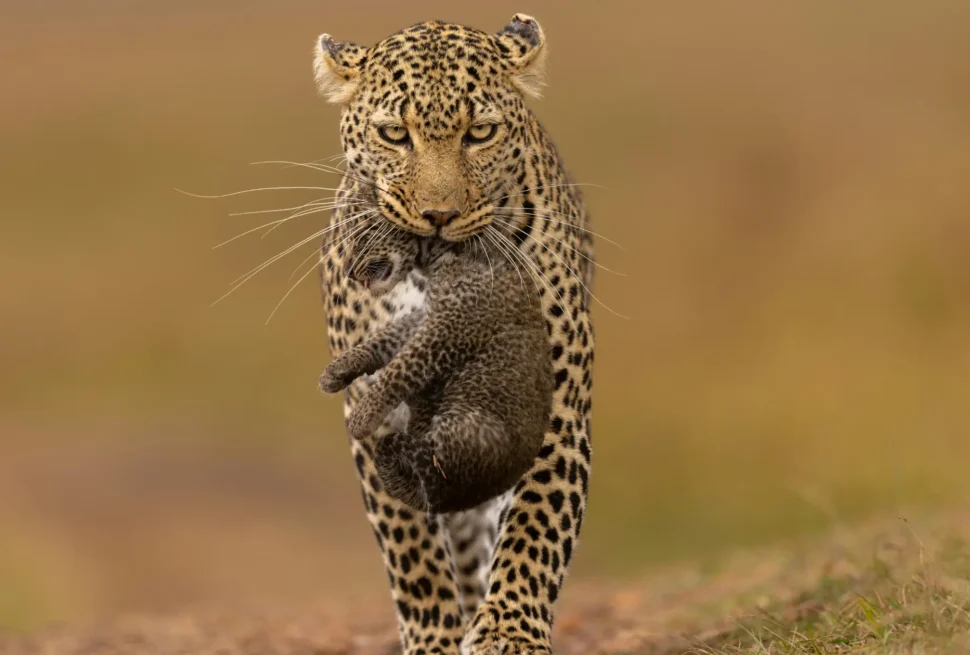
Big cats: Lions, cheetahs, and leopards, though leopards are considerably more elusive than the other two.
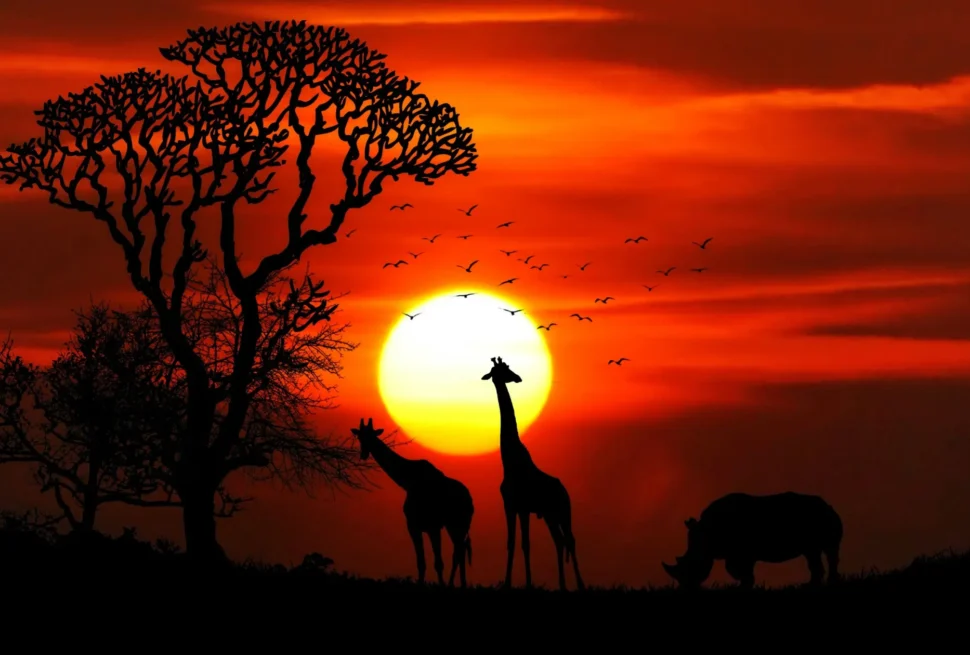
Large mammals: Elephants, buffaloes, giraffes, hippos, and warthogs.
Plains wildlife: Zebras, wildebeest, gazelles, topis, elands, and impalas.
Birds: Ostriches, secretary birds, eagles, vultures, lilac-breasted rollers, and storks and other wetland birds near the rivers. The Mara is excellent bird-watching territory year-round, not just during migration.
The Maasai Mara delivers strong wildlife viewing in every season, which is one of the reasons a 3-day trip works even outside the peak migration months.
What to Pack for a 3-Day Maasai Mara Safari
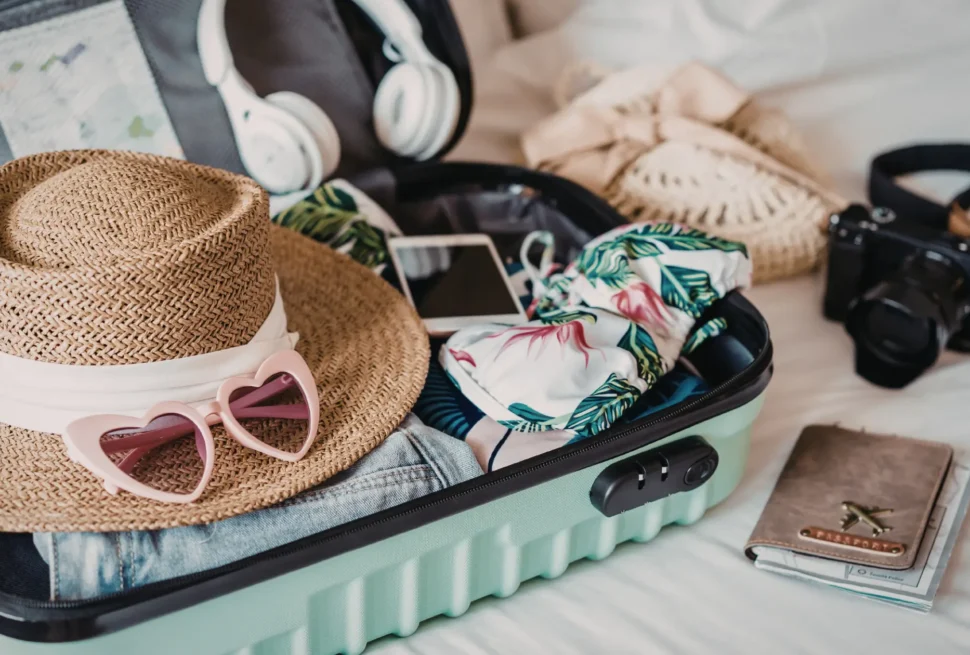
Clothing: Light, neutral-coloured clothes, a warm layer for early mornings, comfortable closed shoes, a hat or cap, sunglasses, and a light rain jacket during the wetter months.
Safari essentials: Camera or smartphone, extra batteries or a power bank, binoculars, sunscreen, insect repellent, a reusable water bottle, personal medication, and a small day bag.
Documents and money: Passport, travel insurance details, booking confirmation, and some cash for tips, souvenirs, or optional activities.
This is the short version. For a complete room-by-room, season-by-season packing breakdown, including what changes if part of your trip involves a fly-in safari, see our full Kenya safari packing list.
Optional Add-Ons for a 3-Day Maasai Mara Safari
Hot-air balloon safari: A premium early-morning add-on, usually finishing with a bush breakfast. Book this in advance, since space fills up fast during peak season.
Maasai village visit: A cultural stop that gives travellers a genuine window into Maasai traditions. Choose an operator who treats these visits respectfully rather than as a photo-op detour.
Private safari vehicle: More flexibility for families, photographers, couples, and small groups who want to set their own pace rather than sharing a schedule with other travellers. Our private guided safari option covers this in more detail.
Fly-in safari option: Travellers with a higher budget can fly from Nairobi’s Wilson Airport to save the road hours entirely. Imela’s 3-Day Maasai Mara Fly-In Safari puts you in the reserve the same day you leave Nairobi.
3-Day Maasai Mara Safari from Nairobi: Road vs Flight
| Option | Best For | Pros | Considerations |
| Road safari | Budget, mid-range, first-time travellers | Scenic, more affordable, flexible pickup | Long drive (5 to 6.5 hours each way) |
| Fly-in safari | Luxury travellers, honeymooners, limited-time guests | Saves time (about 45 minutes each way), more comfortable | Higher cost, strict 15 kg soft-bag limit |
Most 3-day Maasai Mara safaris from Nairobi are done by road, since it offers the best balance between cost and experience, and the shared vehicle math makes it especially good value for groups. Fly-in safaris are worth the premium for travellers who want maximum time in the Mara and minimum time in a vehicle.
Is a 3-Day Maasai Mara Safari Good for Families?
Yes, with a few adjustments. Choose family-friendly accommodation, consider a private vehicle for comfort, pack snacks and warm clothes for children, and avoid booking overly tight flight connections on the return day. Ask about child rates and age policies before booking, since these vary by lodge and by activity. Keep expectations flexible, since the drives can be long for younger children.
Imela Tours can customise a family-friendly 3-day Maasai Mara itinerary with suitable accommodation, flexible pacing, and child-friendly arrangements. If your family has a bit more time, our family safari packages cover longer, gentler options too.
Is a 3-Day Maasai Mara Safari Good for Couples?
Yes. It works well for anniversaries and as a honeymoon add-on, and it can be combined with a coastal stay in Diani, Watamu, or Zanzibar afterward. A luxury tented camp goes a long way toward creating a genuinely romantic safari experience, and a private vehicle is worth the extra cost for the privacy and flexibility it buys, especially around sunset drives and sundowners.
How to Choose the Best 3-Day Maasai Mara Safari Package
Work through these before booking:
- Your budget and travel dates
- Accommodation level (budget, mid-range, luxury)
- Private vs shared vehicle
- Road vs fly-in
- Whether park fees are included in the quoted price
- Your preferred pickup and drop-off point
- Group size
- Migration season availability, if timing matters to you
- Operator reviews and reliability
- How much flexibility you want to customise the itinerary
A good safari operator should explain the itinerary clearly, state exactly what is included, give you a realistic sense of travel times, and help you choose accommodation that actually matches what you are hoping for, rather than upselling the most expensive option by default.
Sample 3-Day Maasai Mara Safari Itinerary Summary
Day 1: Nairobi to Maasai Mara. Early pickup in Nairobi, drive through the Great Rift Valley and Narok, arrive at your lodge or camp for lunch, then enjoy your first afternoon or evening game drive before dinner and overnight stay.
Day 2: Full-Day Game Drive. After an early breakfast, spend the day exploring the Maasai Mara with a professional guide. Look for big cats across the plains, stop for a picnic lunch inside the reserve, and continue game viewing before returning to camp for dinner.
Day 3: Maasai Mara to Nairobi. Breakfast, check-out, and the journey back to Nairobi. Depending on your package, you may have a short morning activity before departure. Arrival in Nairobi is typically later in the day, with hotel, airport, or residence drop-off.
Who Should Book a 3-Day Maasai Mara Safari?
A 3-day Maasai Mara safari is ideal for:
- First-time visitors to Kenya
- Travellers with limited time
- Weekend safari travellers, including those looking for a genuine short break from a longer Kenya trip
- Couples and small groups
- Families, with a bit of extra planning
- Business travellers with a few free days
- Tourists combining Nairobi with a safari
- Travellers who want a budget-friendly Maasai Mara experience
It is probably not the right fit for travellers who dislike long road trips, photographers who need several full days of shooting time, guests who want a slow luxury pace throughout, or anyone specifically trying to maximise their odds during peak migration. For those travellers, a 4-day or longer Maasai Mara package or a fly-in option is worth the extra cost.
Why Book Your 3-Day Maasai Mara Safari with Imela Tours & Travel?
At Imela Tours & Travel, we help you turn a short safari into a genuinely well-planned adventure. Whether you want a budget-friendly group safari, a comfortable mid-range lodge experience, or a private luxury escape, our Nairobi-based team can customise your 3-day Maasai Mara itinerary around your budget, travel dates, and style of trip.
That means customised safari planning, reliable Nairobi pickup and drop-off, honest guidance on budget, mid-range, and luxury options, experienced safari guides, flexible itineraries, and clear communication before you travel. If you are still weighing your options, our contact page is the fastest way to reach a real person on our team.
Final Thoughts: Is a 3-Day Maasai Mara Safari Worth It?
Yes, for travellers with limited time, it is worth it. It offers a real safari experience, not a watered-down version of one. Day 2 is the highlight because it gives you a full day inside the reserve with no travel time eating into it, and the itinerary as a whole suits first-timers, short holidays, and Nairobi-based travellers particularly well.
A longer safari gives you more relaxed pacing, a second full day of game drives, and better odds during migration season. But three days is a genuinely strong starting point, not a compromise. It gets you to the Mara, gives you real time on the ground, and gets you back with the kind of sightings that make the whole trip worth planning around.
Ready to experience the Maasai Mara in just three days? Contact Imela Tours & Travel for a customised 3-day Maasai Mara safari package from Nairobi.
Frequently Asked Questions
Is 3 days enough for Maasai Mara?
Yes. A 3-day Maasai Mara safari is enough for a short but rewarding trip, especially if you are travelling from Nairobi and want one full day of game viewing. That said, 4 or more days gives you more time and flexibility, particularly during migration season.
What happens on a 3-day Maasai Mara safari?
A typical itinerary includes a drive from Nairobi to the Mara on Day 1 with an afternoon or evening game drive, a full-day game drive on Day 2, and a return drive to Nairobi on Day 3.
Can I see the Big Five in 3 days?
You may see several Big Five animals, especially lions, elephants, and buffaloes. Leopards and rhinos are harder to spot in the Mara specifically, so those two sightings are never guaranteed.
What is the best time for a 3-day Maasai Mara safari?
The Mara is good year-round, but July to October is the most popular window because of the Great Migration. Other months, particularly January and February, offer excellent wildlife viewing with far fewer crowds. See our best time to visit Maasai Mara guide for the full breakdown.
How long is the drive from Nairobi to Maasai Mara?
It depends on the gate, road conditions, stops, and your accommodation location, but plan on 5 to 6.5 hours. It is a long journey, but a scenic one, usually broken up with stops in Narok and at the Great Rift Valley viewpoint.
Can I do a 3-day Maasai Mara safari by flight?
Yes. A fly-in safari from Wilson Airport takes roughly 45 minutes and saves the road hours entirely, though it costs more than travelling by road.
What should I wear on a Maasai Mara safari?
Comfortable neutral-coloured clothes, closed shoes, a hat, sunglasses, and a warm layer for early mornings and evenings. Our Kenya safari packing list covers the complete list.
Is a 3-day Maasai Mara safari suitable for children?
Yes, but families should choose child-friendly accommodation and consider a private vehicle for comfort and flexibility on the longer drive days.
For current Kenya entry requirements, apply through the official Kenya eTA portal. For general Kenya wildlife and conservation information, see the Kenya Wildlife Service. For broader Kenya tourism resources, visit Magical Kenya.
Related Reading from Imela Tours & Travel:
- Best Maasai Mara Safari Packages: 2, 3, 4 & 5-Day Options Explained
- Best Time to Visit Maasai Mara in 2026: Month-by-Month Safari Guide
- The Great Migration in Kenya: Complete Guide to When & Where to See It
- Kenya Safari Packing List: What to Bring on Safari
- How Much Does a Kenya Safari Cost in 2026? (Full Breakdown Guide)
- Explore All Kenya Safari Packages
- Request a Free Safari Quote