“What should I actually pack?” is one of the first questions almost every first-time traveller asks us once their Kenya safari is booked. It is a fair question. You are heading somewhere unfamiliar, the climate shifts through the day, and nobody wants to land in Nairobi with the wrong bag or a suitcase full of things they never use.
Here is the good news: a Kenya safari packing list is shorter and simpler than most people expect. The short version is pack light, choose layers, stick to neutral colours, and prioritise comfort, sun protection, and the right travel documents over anything fashionable. What you actually need depends a little on your itinerary too. A road safari through Amboseli and Tsavo packs differently from a fly-in trip to the Maasai Mara, and a safari combined with a few days on the coast adds its own list of extras.
This guide walks through exactly what to bring, what to leave at home, and how your packing list should change by destination, season, and travel style.
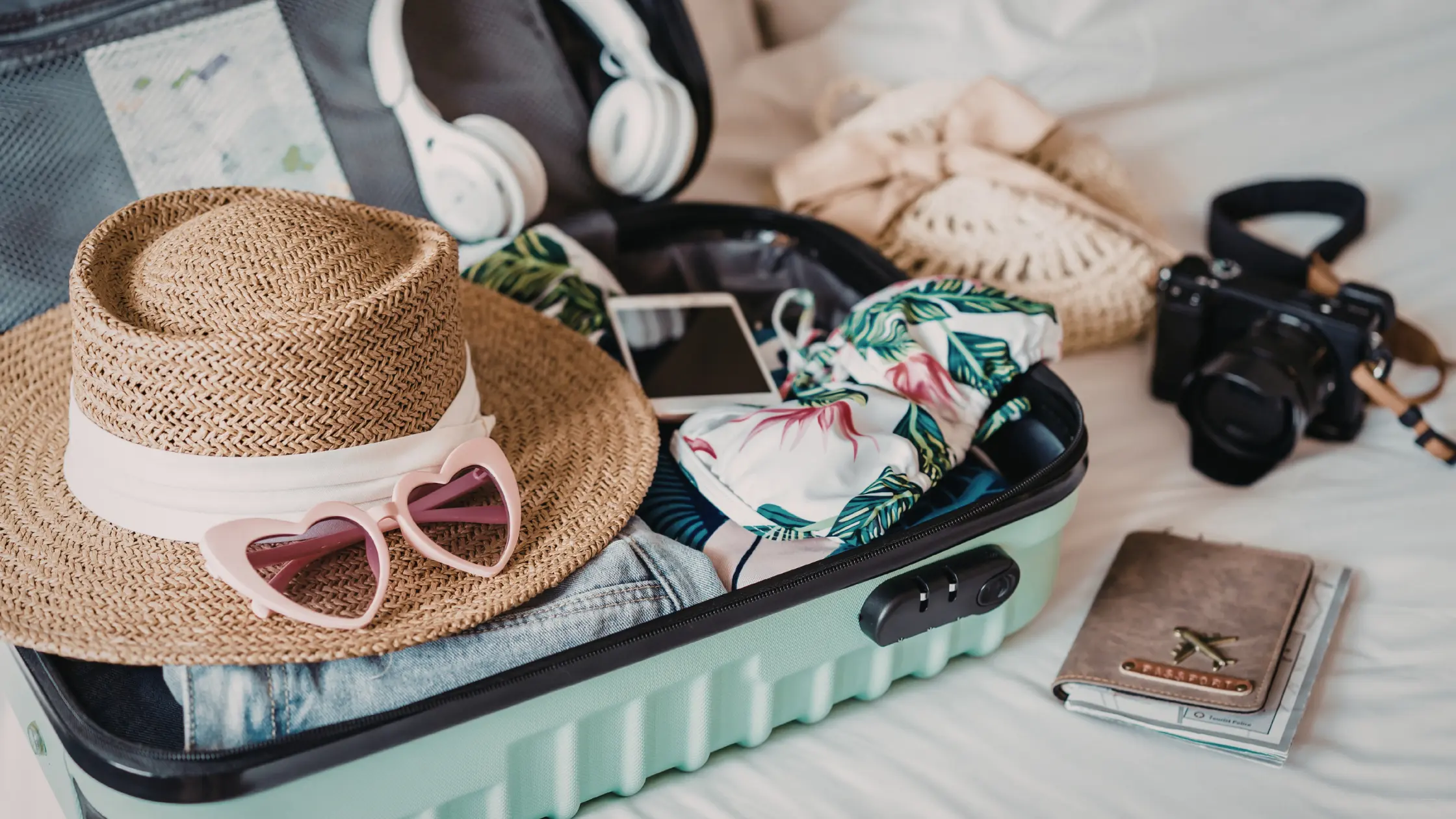
Quick Answer: For a Kenya safari, pack lightweight neutral-coloured clothing, a warm layer for early morning game drives, comfortable closed shoes, sun protection, insect repellent, your travel documents (passport, Kenya eTA, travel insurance), personal medication, binoculars, camera gear, a reusable water bottle, and a soft-sided duffel bag if your trip includes light aircraft flights. Leave behind camouflage clothing, hard suitcases for fly-in safaris, bright neon colours, and single-use plastics for protected areas.
Planning your route first makes packing much easier. If you have not yet settled on an itinerary, our Kenya safari packages from Nairobi are a good starting point, and our guide to how much a Kenya safari costs will help you understand what different travel styles actually involve.
Quick Kenya Safari Packing Checklist
Use this table as your starting point. We will go deeper on each category below.
| Category | Essentials | Why You Need Them |
| Luggage | Soft duffel bag, small daypack, packing cubes | Soft bags fit safari vehicles and light aircraft holds; cubes keep dusty and clean clothes separate |
| Clothes | Neutral shirts, lightweight trousers, fleece, light jacket | Mornings can be cold, afternoons warm; layers handle both |
| Shoes | Comfortable closed shoes, sandals for the lodge | Most game drives need nothing more rugged than trainers |
| Documents | Passport, Kenya eTA, travel insurance, itinerary, emergency contacts | Required for entry and useful if anything goes wrong |
| Health | Personal medication, insect repellent, sunscreen, basic first aid | Sun exposure and mosquitoes are a daily reality on safari |
| Safari gear | Binoculars, camera, power bank, memory cards | Wildlife is often distant; you do not want to miss it |
| Toiletries | Travel-size basics, wet wipes, lip balm, hand sanitiser | Dusty tracks and limited bathroom stops make these handy |
| Extras | Reusable water bottle, sunglasses, hat, scarf or buff | Dust and sun protection on every game drive |
Still planning your route? Explore our Kenya safari packages and choose the itinerary that fits your travel style, then come back to finish your packing list.
What Clothes Should You Pack for a Kenya Safari?
The short answer: lightweight, breathable, neutral-coloured clothes that you can layer. Cotton and quick-dry technical fabrics both work well. Heavy, structured outfits are the wrong call here, no matter how good they look in your suitcase at home.
Best Colours to Wear on Safari in Kenya
Stick to khaki, beige, olive, brown, tan, and other earth tones. These colours blend into the bush, do not show dust the way white does, and are simply more practical for several days of game drives on dusty tracks.
A few colours to leave behind:
- Bright neon shades, which stand out against the landscape and can be unsettling to wildlife at close range
- Pure white, which looks great for about an hour before it shows every speck of red Mara dust
- Black and very dark blue, which can attract tsetse flies in certain areas such as parts of the Maasai Mara, Samburu, and Tsavo
- Camouflage prints, which are reserved for Kenya’s military and police and are illegal for civilians, including tourists, to wear
None of this is about looking a particular way. Neutral tones are simply the most practical choice for a vehicle full of dust, long days outdoors, and photos where you do not want to be the brightest thing in the frame.
Clothing Checklist for a 3 to 7 Day Safari
For most safaris in this range, the following covers you comfortably without overpacking:
- 3 to 5 breathable T-shirts or safari shirts
- 2 to 3 long-sleeved shirts (useful for sun, dust, and cooler evenings)
- 2 pairs of lightweight trousers
- 1 pair of shorts or casual wear for around the lodge
- 1 fleece or warm mid-layer
- 1 light jacket or windbreaker
- A light rain jacket if you are travelling during the wetter months
- Sleepwear, underwear, and socks for the length of the trip (most camps offer laundry, so you rarely need a fresh outfit for every single day)
- Swimwear if your lodge has a pool, which many do
- One slightly smarter outfit for dinner, though most safari lodges are genuinely casual
Why Layers Matter on Safari
A typical safari day swings through more temperature changes than people expect. You might leave camp before sunrise in a fleece and jacket, peel both off by mid-morning as the sun climbs, then reach for that scarf or buff again once the sun drops in the late afternoon. Layering lets you adjust without needing a different outfit for every part of the day.
What Shoes Should You Bring?
For most Kenya safaris, you do not need heavy hiking boots. Game drives happen from a vehicle, so comfortable closed shoes such as trainers or light walking shoes are usually all you need.
Bring:
- Comfortable closed walking shoes or trainers for game drives and airport transfers
- Light hiking shoes if your itinerary includes guided nature walks, the Aberdare National Park forest trails, or a Mount Kenya trek
- Sandals or slides for relaxing at the lodge in the evening
- Water shoes only if your trip includes a beach extension, boat safari, or other water activity
Skip:
- Brand-new shoes you have not broken in. Blisters and a week of dusty walking do not mix well
- High heels, which have no place on a gravel path or in a 4×4
- Heavy boots, unless your itinerary specifically calls for hiking or mountain trekking
- White shoes, which will not stay white past your first game drive
Safari Luggage: Soft Bag vs Suitcase
This section matters more than most travellers realise, especially if your itinerary includes any light aircraft flights between parks.
If your safari is entirely by road, a standard suitcase is workable, though a soft bag still packs more easily into a safari vehicle’s boot alongside everyone else’s luggage. If any part of your trip uses small aircraft (a common way to reach the Maasai Mara or Samburu from Nairobi’s Wilson Airport), a soft-sided duffel bag is not just recommended, it is usually required.

Domestic safari airlines such as Safarilink enforce a strict baggage allowance, typically 15 kg (33 lbs) of total baggage including hand luggage and camera equipment, packed in soft bags, with a 20 kg allowance on routes to the coast and a few other exceptions. The reason is straightforward: small bush aircraft such as the Cessna Caravan have tight, irregularly shaped luggage holds, and rigid suitcases simply do not fit and may be left behind. Always confirm the exact limit for your specific flights before you pack, since allowances can vary slightly between airlines and routes.
Recommended Safari Bag Setup
- One soft-sided duffel bag (this is your main bag for the trip)
- One small daypack for the vehicle each day
- A separate camera bag if you are travelling with serious photography gear
- Packing cubes to keep clean and dusty clothes apart
- A waterproof or dustproof pouch for phones, chargers, and electronics
Daypack Essentials for Game Drives
Keep these within reach in the vehicle every day:
- Water bottle
- Sunscreen
- Sunglasses
- Hat
- Camera
- Binoculars
- Power bank
- A light jacket, even if it is warm when you set off
- Wet wipes
- Lip balm
- Personal medication
- Phone or small notebook for notes
Important Travel Documents to Pack
Getting your documents right is one of the least exciting parts of trip preparation, and also one of the most important. Pack these together in one place, and keep a digital copy on your phone or in cloud storage as a backup.
- Passport (check the validity requirement for Kenya before you travel)
- Kenya eTA approval, applied for in advance through the official Kenya eTA portal
- Flight tickets, including any internal safari flights
- Travel insurance documents
- Your safari itinerary, with contact numbers for your operator and lodges
- Hotel or lodge confirmations
- Emergency contacts, written down as well as saved on your phone
- Photocopies or photos of your passport and key documents
- Vaccination records, if relevant to your route
- A credit or debit card, plus some cash for tips and small purchases
One detail worth knowing before you fly to the Mara, Samburu, or other bush airstrips: security at Wilson Airport checks physical passports, not photos or digital copies. Keep your actual passport in your daypack on flight days, not buried in your main bag.
Tip: Store one copy of every document in your phone, one in cloud storage, and one printed copy in a waterproof pouch. If anything is lost, you will be glad you have all three.
Health, Safety, and Personal Care Items
A small, well-thought-out health kit makes a real difference on safari, where the nearest pharmacy might be hours away. None of this replaces advice from your own doctor, but here is what experienced travellers typically pack:
- Personal prescription medication, in its original packaging, with enough for the full trip plus a few extra days
- A basic first aid kit (plasters, antiseptic, blister plasters)
- Pain relievers
- Anti-diarrhoea medication
- Oral rehydration salts
- Motion sickness tablets, if you are prone to it (some park roads are bumpy)
- Insect repellent, ideally one containing DEET
- Sunscreen, SPF 30 or higher
- Lip balm with SPF
- Hand sanitiser
- Wet wipes
- Contact lens solution or a backup pair of glasses
- Any allergy medication you normally carry
Malaria and Travel Health Preparation
Most of Kenya’s safari regions fall within a malaria risk zone, so it is worth speaking to a travel clinic or your doctor well before departure. They can advise on malaria prevention suited to your health history and itinerary, confirm whether yellow fever vaccination applies to your specific travel route, check your routine vaccinations are up to date, and flag anything specific to your own medical needs.
One detail that catches travellers out: if you are arriving from a country not classified as a yellow fever zone and have not transited through a yellow fever endemic area, a vaccination certificate may not be required, but a layover of more than 12 hours in an airport in a yellow fever endemic country, such as Addis Ababa, can trigger the requirement on arrival in Kenya. Check your full routing, not just your departure city, and confirm the current rules with a travel clinic or the Kenya Ministry of Health before you fly.
Camera, Binoculars, and Safari Gear
This is where a Kenya safari rewards a bit of extra preparation. The wildlife is out there whether you are ready for it or not, and the best sightings rarely wait.
- Binoculars
- Camera or smartphone
- A zoom lens for wildlife photography (200mm and above is a good starting point)
- Extra memory cards
- Extra batteries
- Power bank
- Charging cables
- A Type G travel adapter for Kenya
- A dustproof camera bag
- Lens cloth
- A small torch or headlamp for camp at night
Do You Need Binoculars on Safari?
Yes, and this is one of those details first-timers often skip. Even when your guide has a shared pair, having your own binoculars means you are not waiting your turn to spot the leopard in the tree or the lion pride resting half a kilometre away. A pair of 8×42 or 10×42 binoculars is a solid, versatile choice for most wildlife viewing in Kenya.
What to Pack for Different Kenya Safari Destinations
| Destination | Packing Focus | Extra Tip |
| Maasai Mara | Neutral layers, warm layer for dawn drives, dust protection, camera gear, binoculars | If flying in, your bag needs to meet the soft-duffel rule for bush flights |
| Amboseli | Sun hat, sunglasses, dust protection, longer lens for elephants and Kilimanjaro views | Mornings can be surprisingly cool with the mountain often clearest at sunrise |
| Samburu | Breathable lightweight clothing, strong sun protection, reusable water bottle | One of the hotter parks, so pack more sun protection than you think you need |
| Tsavo | Dust-friendly clothes, comfortable shoes, sun protection, camera gear | Tsavo’s red soil stains light fabrics fast, so darker khaki tones hide it better |
| Lake Nakuru and Lake Naivasha | Light jacket for cool Rift Valley mornings, binoculars for birdlife, walking shoes | Both parks involve more walking and boat trips than typical game-drive parks |
Maasai Mara Packing Tips
Pack your usual neutral layers, a warm layer for the often chilly dawn game drive, and dust protection for the famously dry tracks during peak season. Bring your full camera and binocular setup, since the Mara’s wildlife density makes it one of the best places in the world for photography. If your route to the Maasai Mara includes a fly-in safari, your soft duffel bag becomes essential rather than optional. During the rainier months, a light rain jacket earns its place in your bag here more than almost anywhere else.
Amboseli Packing Tips
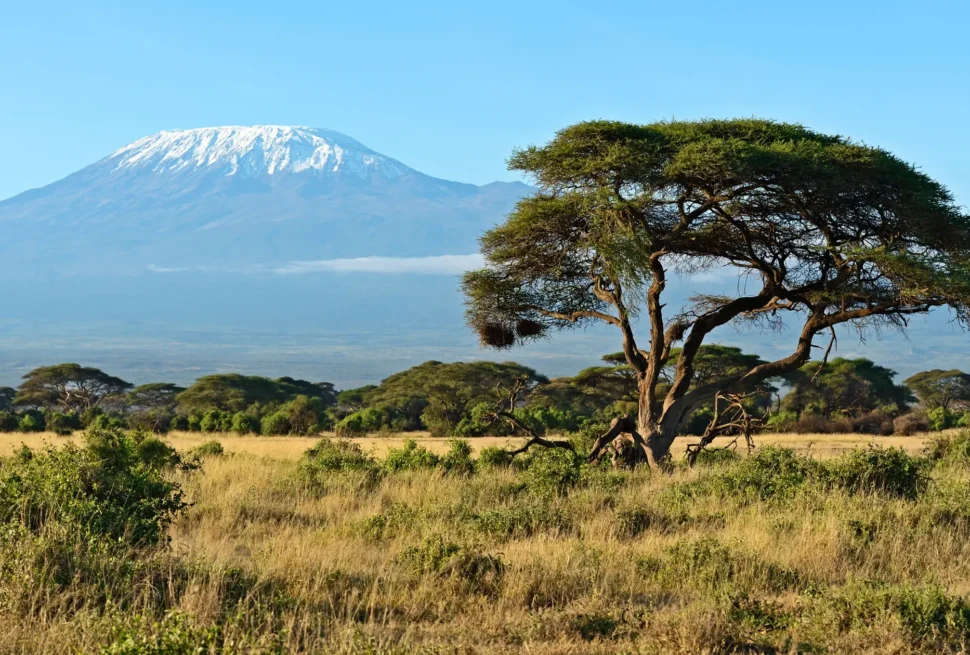
Amboseli is famous for its elephant herds set against Mount Kilimanjaro, so a longer lens is worth the extra weight if you are serious about photography. Mornings here can be cooler than visitors expect, with the mountain often at its clearest before the heat haze builds, so keep that fleece accessible for the early drive.
Samburu Packing Tips
Samburu tends to run hotter and drier than the Mara, so lean toward your lightest breathable fabrics, carry more water than you think you need, and keep insect repellent and sun protection topped up throughout the day.
Tsavo Packing Tips
Whether you are visiting Tsavo East or Tsavo West, expect plenty of red dust. Comfortable closed shoes and clothes you do not mind getting properly dirty are the priority here, along with the usual sun protection and camera gear.
Lake Nakuru and Naivasha Packing Tips
These Rift Valley destinations often involve more time on foot, whether that is a guided walk near Lake Naivasha or birdwatching around Lake Nakuru, home to some of Kenya’s best flamingo viewing. Pack walking shoes with decent grip, a light jacket for cooler mornings, and your binoculars. With over 1,100 recorded bird species across Kenya and the Mara alone hosting more than 500, this is one trip where binoculars earn their place even if you do not consider yourself a birder.
What to Pack for a Safari and Beach Holiday in Kenya

A growing number of our travellers combine a safari with a few days unwinding on the coast, whether that is Diani, Mombasa, Watamu, Malindi, or Lamu. If your itinerary includes a beach extension, add the following to your safari packing list:
- Swimwear
- Sandals or flip-flops
- Light, breathable beachwear
- A few modest outfits for visiting coastal towns, mosques, or markets
- Reef-safe sunscreen
- A waterproof phone pouch
- Sunglasses and a hat (you will already have these from the safari portion)
- A light outfit for dinners out
- Insect repellent
- A dry bag if you are planning a boat trip or dhow excursion
The transition from dusty game drives to coastal humidity is one of the more pleasant parts of a Kenya itinerary, but it does mean your bag works a little harder. Packing cubes earn their keep here, keeping safari clothes separate from beachwear.
Not sure whether to combine destinations or build a custom route? Imela Tours and Travel can help you design a Kenya safari that works the timing, accommodation, and travel style around what matters most to you.
What to Pack by Season
Dry Season Packing Tips
During the dry season, generally June to October and again in the shorter dry spell from January to February, focus on:
- Lightweight breathable clothing
- A warm layer for early mornings, which stay cool even when daytime temperatures climb
- Sunscreen, sunglasses, and a hat
- Extra dust protection, since tracks are at their driest and dustiest
- A reusable water bottle
Rainy Season Packing Tips
During the wetter months, roughly March to May and again in November, add:
- A lightweight rain jacket
- Quick-dry clothing
- A waterproof cover for your main bag
- An extra pair or two of socks
- Closed shoes with good grip for muddy paths
- A waterproof pouch for documents and electronics
If you are still deciding when to travel, our month-by-month guide to the best time to visit the Maasai Mara breaks down what each season actually looks like on the ground, including the quieter, often underrated months that many first-time visitors overlook.
What NOT to Pack for a Kenya Safari
A few items consistently show up in suitcases and then never leave the bag for the entire trip. Skip these:
- A hard suitcase for fly-in safaris. It will not fit in a bush aircraft hold and may be left behind entirely.
- Too many clothes. Most lodges offer laundry, so a week’s worth of outfits is rarely necessary.
- Bright neon outfits. They stand out in photos and against the landscape.
- Camouflage clothing. It is illegal for civilians to wear in Kenya, tourists included.
- Expensive jewellery. There is simply no need for it on a game drive, and it adds risk for no benefit.
- Heavy hiking boots, unless your itinerary specifically includes trekking or hiking.
- Hair dryers and other bulky electronics. Most camps run on generator or solar power, and voltage can be inconsistent.
- Strong perfumes and colognes. They can attract insects and are noticeable in close vehicle quarters.
- Drones without prior permits. Drones are heavily restricted in Kenya’s national parks and reserves, and flying one without authorisation can result in confiscation.
- Single-use plastic items. Kenya has some of the strictest single-use plastic rules in the world, with plastic water bottles, cups, disposable plates, cutlery, and straws banned from national parks, beaches, forests, and conservation areas. Bring a reusable water bottle instead. You can check current guidance from the Kenya Wildlife Service before you travel.
- Oversized bags that will not fit a safari vehicle or aircraft. If in doubt, go smaller than you think you need.
Packing Tips for Families Going on Safari
A family safari in Kenya needs a slightly different packing approach, with a bit more redundancy built in:
- Comfortable, easy-to-layer clothes for children
- Extra warm layers, since kids feel the cold dawn drives more than adults expect
- Snacks for transfers and longer drive days
- Children’s medication and a basic paediatric first aid kit
- Sunscreen and insect repellent suitable for children’s skin
- Something to keep younger children entertained during transfers
- Wet wipes, more than you think you will need
- A small backpack for each child to carry their own bits and pieces
- Copies of every child’s travel documents
- A full change of clothes packed in the carry-on or daypack, in case of spills, mud, or a long delay
If a family trip is on your radar, our 6-day family safari is built around exactly this kind of pacing, with shorter drives and more flexible days.
Packing Tips for Photographers
If wildlife photography is the main reason for your trip, your packing list shifts toward gear protection and battery life:
- Camera body, plus a backup if you have one
- A zoom lens for wildlife (200mm or longer)
- A wide-angle lens for landscapes and camp scenery
- A bean bag or vehicle-mount stabiliser for sharper shots from a moving vehicle
- Extra batteries, more than you expect to use
- Plenty of memory cards
- A lens cleaning kit
- A dustproof camera bag
- A power bank
- Backup storage, such as a small portable drive, for offloading images each evening
One note worth repeating here: drones require official permission in Kenya and are not automatically allowed in national parks or reserves. If aerial footage matters to your trip, sort out permits well in advance rather than assuming you can fly on arrival.
For travellers focused on this kind of trip, our wildlife photography safaris and bird watching activity pages outline the routes and timing that work best for serious camera gear.
Final Kenya Safari Packing Checklist
Screenshot this section before you start packing.
Clothing
- Neutral shirts
- Lightweight trousers
- Fleece or warm mid-layer
- Light jacket
- Rain jacket (wet season)
- Socks and underwear
- Sleepwear
- Swimwear
Shoes
- Comfortable closed walking shoes
- Sandals for the lodge
- Hiking shoes (only if needed)
Documents
- Passport
- Kenya eTA
- Travel insurance
- Itinerary
- Emergency contacts
- Copies of all documents
Health
- Personal medication
- First aid basics
- Insect repellent
- Sunscreen
- Hand sanitiser
- Wet wipes
Safari Gear
- Binoculars
- Camera
- Power bank
- Type G adapter
- Sunglasses
- Hat
- Reusable water bottle
Luggage
- Soft duffel bag
- Daypack
- Packing cubes
- Waterproof pouch
Need Help Planning Your Kenya Safari?
Imela Tours Tip: Pack light, and choose items you can wear more than once. A Kenya safari is about comfort, movement, and being ready for whatever the morning brings, not about fashion. Neutral layers, good shoes, sun protection, and a soft bag will make the whole trip easier from the moment you land.
Packing is so much easier once your itinerary is settled. Whether you are planning a Maasai Mara adventure, an Amboseli elephant safari, a family safari, a luxury lodge experience, or a safari and beach combination, our Nairobi-based team at Imela Tours and Travel can help you plan the right route, season, accommodation, and travel style.
Ready to turn your Kenya safari plans into a confirmed itinerary? Request a custom safari quote and we will come back to you within 24 hours with a personalised plan, or explore our Kenya safari packages to see what is possible first.
Frequently Asked Questions
What should I wear on safari in Kenya?
Lightweight, breathable, neutral-coloured clothing with layers for cool mornings and warmer afternoons. Khaki, beige, olive, and brown tones work best, and a fleece or light jacket covers the temperature swing between dawn and midday.
Can I wear jeans on a Kenya safari?
You can, but lightweight safari trousers are usually more comfortable. Jeans are heavy, get hot quickly, and take a long time to dry if they get wet or dusty.
Do I need hiking boots for a Kenya safari?
Not for standard game drives. Comfortable closed shoes such as trainers are enough unless your itinerary includes guided walks, hiking, or a mountain trek, in which case proper hiking shoes make a real difference.
What colours should I avoid on safari?
Avoid bright neon colours, pure white, camouflage prints, and very dark colours such as black or navy in areas where tsetse flies are a concern. Neutral earth tones are the safer, more practical choice throughout.
Do I need binoculars on safari?
Yes. Binoculars make a noticeable difference when wildlife is some distance from the vehicle, which is often the case even in wildlife-dense areas like the Maasai Mara. A pair of 8×42 or 10×42 binoculars works well for most travellers.
Should I bring a hard suitcase or a soft bag?
A soft-sided duffel bag is the better choice, especially if any part of your trip uses a small aircraft. Domestic safari airlines typically enforce a 15 kg soft-bag baggage allowance, and hard suitcases often will not fit in bush plane luggage holds.
What should I pack for a Maasai Mara safari?
Neutral layered clothing, a warm layer for the dawn game drive, comfortable closed shoes, sun protection, camera gear, binoculars, insect repellent, and a soft duffel bag if you are flying in. Our Kenya safari cost guide also covers what tends to be included versus extra on Mara itineraries.
What should I not bring on a Kenya safari?
Avoid overpacking, hard suitcases for fly-in safaris, camouflage clothing, expensive jewellery, unnecessary bulky electronics, and single-use plastic items, which are restricted in national parks, reserves, and beaches.
Do safari lodges in Kenya offer laundry?
Many lodges and camps do, though policies vary and some delicate items may need to be hand-washed by guests. This is one reason you can pack fewer clothes than you might first assume.
What plug adapter do I need in Kenya?
Kenya generally uses Type G sockets, the same three-pin square plug used in the UK, so a Type G travel adapter covers most charging needs for cameras, phones, and power banks.
For the latest entry requirements, always check the official Kenya eTA portal before you travel, and confirm baggage allowances directly with your safari airline.
Related Reading from Imela Tours & Travel:
- How Much Does a Kenya Safari Cost in 2026? (Full Breakdown Guide)
- Best Time to Visit Maasai Mara in 2026: Month-by-Month Safari Guide
- Best Kenya Safari Packages from Nairobi in 2026
- Budget Safari in Kenya: How to Travel Cheap Without Missing Out
- Explore All Kenya Safari Packages
- Request a Free Safari Quote