Everyone plans a Maasai Mara safari first. Samburu is the one people wish they had known about sooner.
Samburu National Reserve sits in Kenya’s arid north, a few hundred kilometres and a completely different world away from the Mara’s grasslands. The reserve is built around the Ewaso Ng’iro River, and it holds wildlife you genuinely will not see on a standard southern circuit: Grevy’s zebra, reticulated giraffe, Beisa oryx, Somali ostrich, and gerenuk, known collectively as the Samburu Special Five. Fewer vehicles, dramatic dry-country scenery, and a strong Samburu cultural presence round out the appeal.
Samburu safari packages are guided Kenya safari itineraries built around Samburu National Reserve, often paired with nearby destinations such as Buffalo Springs, Shaba, Ol Pejeta Conservancy, and Laikipia. Most run 3 to 7 days and include transport from Nairobi, accommodation, meals, park fees, and guided game drives, either by road or as a fly-in package.
Planning a Samburu safari? Imela Tours & Travel can help you customise a package based on your travel dates, budget, preferred accommodation, and safari style.
What Makes Samburu Safari Packages Unique?
Quick Answer: Samburu safari packages are unique because they focus on Northern Kenya’s rare wildlife, dry-country landscapes, and a quieter game-viewing experience. Unlike Maasai Mara, Samburu is best known for the Samburu Special Five: Grevy’s zebra, reticulated giraffe, Beisa oryx, Somali ostrich, and gerenuk.
Samburu doesn’t try to be the Mara. That’s the point. You get:
- Wildlife found almost nowhere else on the standard Kenya circuit
- Noticeably thinner crowds, even in peak months
- Dry, rugged scenery built around the Ewaso Ng’iro River rather than open grassland
- A strong and visible Samburu cultural presence around the reserve
- Excellent wildlife photography conditions, with warm light and animals that concentrate near water
- Easy pairing with Ol Pejeta, Laikipia, Aberdare, Mount Kenya, or even Maasai Mara itself
If your first safari is about ticking off the Big Five and watching the migration, start with the Mara. If you’ve already done that, or you want a safari that feels genuinely different from the brochure photos, Samburu is where you go next.
Where Is Samburu National Reserve?
Samburu sits in northern Kenya, roughly 300 to 355 kilometres from Nairobi, north of Mount Kenya within the wider Samburu-Isiolo ecosystem. Most travellers reach it from Nairobi in one of two ways.
By road: The drive typically takes 5.5 to 7 hours, depending on traffic through Nairobi, road conditions past Nanyuki and Isiolo, and how many stops you make. The route follows the Thika Superhighway north through Nyeri or Nanyuki, then on toward Isiolo and Archer’s Post, the main gate into the reserve. It’s a genuinely scenic drive, coffee country giving way to the slopes of Mount Kenya and then dry acacia scrub, but it is a full day of travel either way.
By air: Scheduled flights leave Nairobi’s Wilson Airport for airstrips serving Samburu, including Kalama, Buffalo Springs, and Samburu Oryx. Flight time runs about 1 to 1.5 hours. SafariLink and AirKenya both operate this route, usually with morning and early-afternoon departures.
Nearby areas worth knowing: Buffalo Springs and Shaba sit just across the Ewaso Ng’iro River from Samburu itself, close enough to combine on a single trip. Kalama Conservancy, Ol Pejeta, and the wider Laikipia Plateau are all within striking distance for a longer itinerary.
A quick note on distances: sources vary by a few dozen kilometres depending on which gate they measure to, so treat any figure here as approximate and confirm your specific route with your operator before travel.
What Animals Can You See on a Samburu Safari?
The top wildlife highlight in Samburu is the Samburu Special Five: Grevy’s zebra, reticulated giraffe, Beisa oryx, Somali ostrich, and gerenuk. Travellers may also see elephants, lions, leopards, cheetahs, buffalo, crocodiles, and rich birdlife, especially around the Ewaso Ng’iro River.
The Samburu Special Five
| Samburu Special Five | Why It Matters |
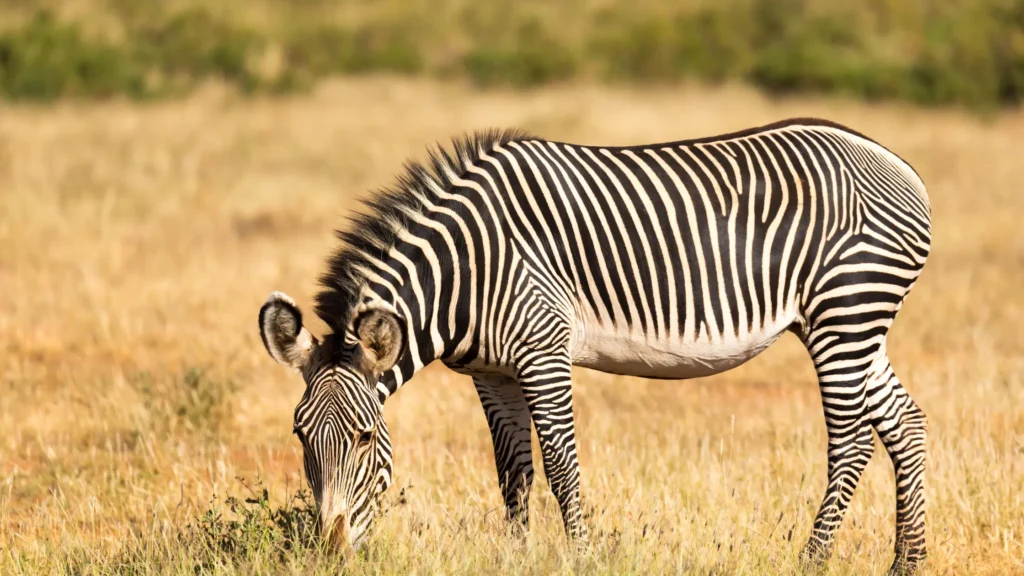
| Grevy’s zebra | The rarest of the three zebra species, identifiable by its narrow stripes, large rounded ears, and white belly. Endangered, with a global population estimated at around 3,000, most of it concentrated in this exact ecosystem. |
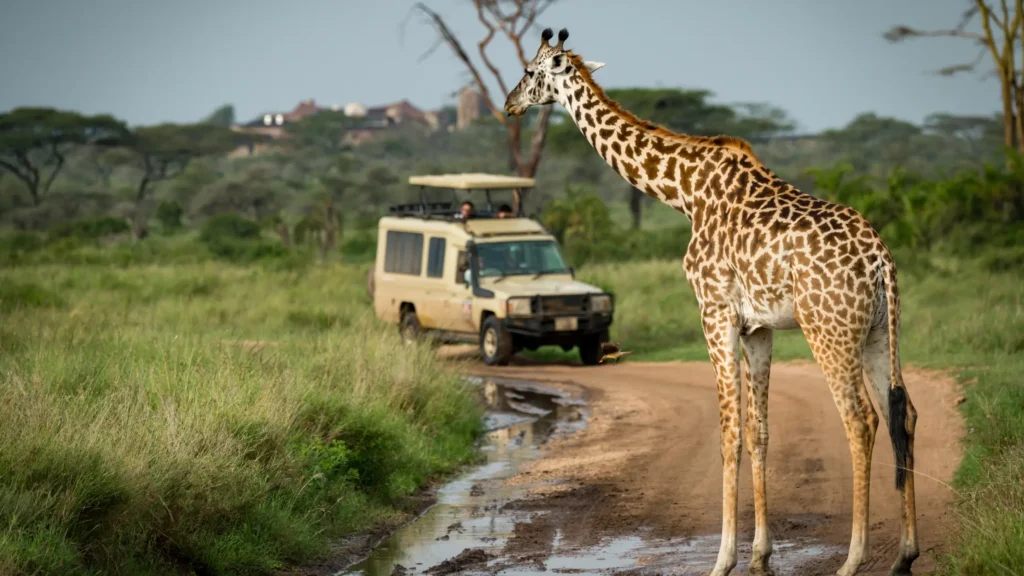
| Reticulated giraffe | Bold, net-like coat markings that set it apart from the Maasai giraffe seen further south. |
| Beisa oryx | A desert-adapted antelope with long, straight, rapier-like horns built for a landscape with almost no water. |
| Somali ostrich | Distinguished by the blue-grey neck and legs of the males, a striking contrast to the more familiar Common ostrich. |
| Gerenuk | Long-necked and long-legged, famous for standing upright on its hind legs to browse acacia leaves other antelope can’t reach. |
Here’s a fact worth sitting with: Grevy’s zebra is genuinely rarer than the black rhino. Kenya’s black rhino population passed 1,000 in 2024 and the global figure sits around 6,300. Grevy’s zebra, one of the animals you’ll photograph almost casually on a Samburu game drive, numbers roughly 3,000 worldwide, and more than 90 percent of them live in this exact northern Kenya landscape. You’re not just seeing an unusual zebra. You’re looking at one of Africa’s most endangered large mammals, in one of the last places on Earth it still runs wild.
Other Wildlife in Samburu
Beyond the Special Five, expect elephants (often in large herds along the river), lions, leopards, cheetahs, buffalo, crocodiles and hippos near the water, spotted hyenas, and a long list of antelope species. Birdlife is excellent throughout, with raptors, hornbills, and riverine species well represented.
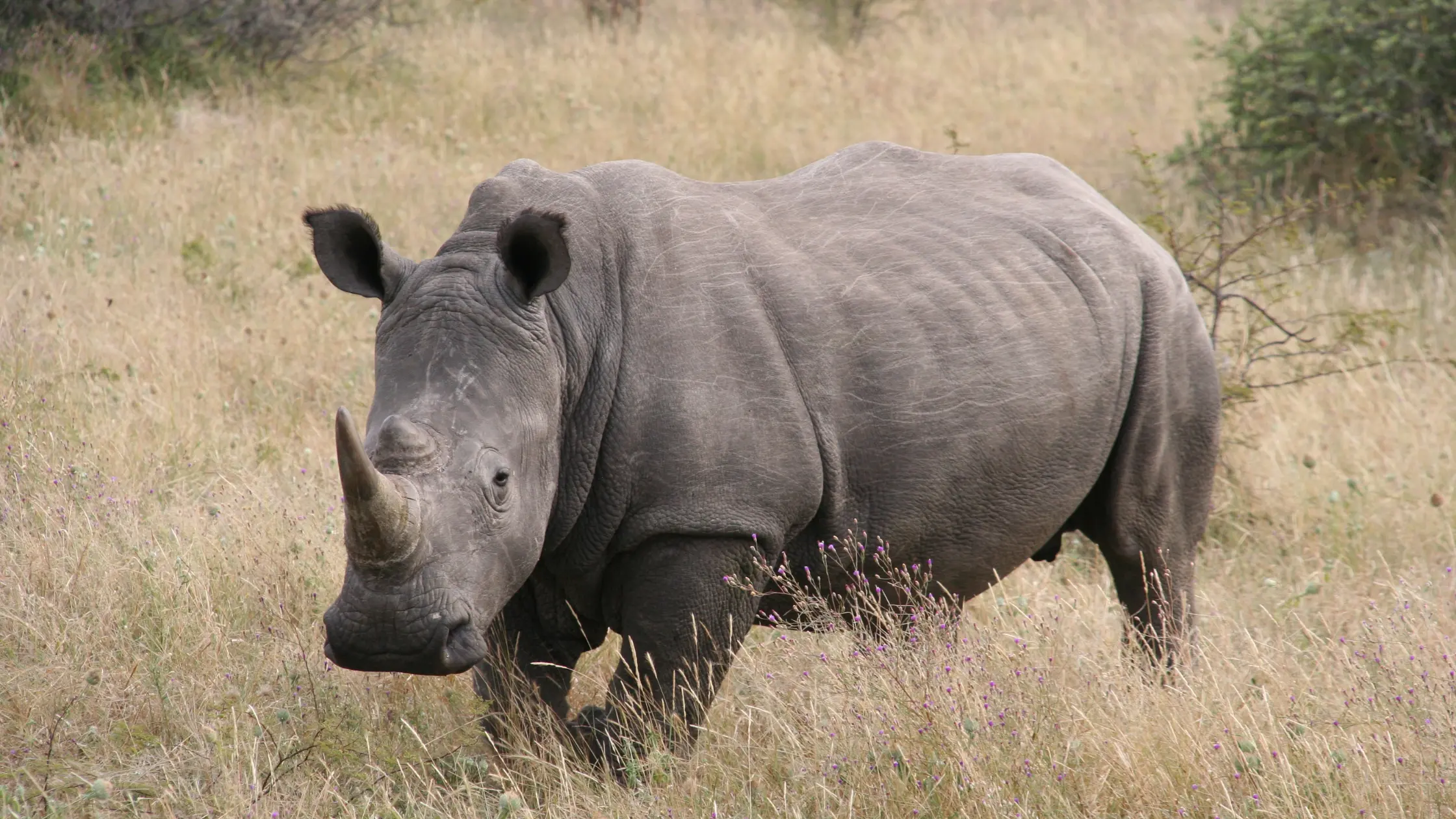
One honest note: rhino sightings are not a Samburu strength. If seeing a rhino matters to you, combine your trip with Ol Pejeta Conservancy, one of Kenya’s leading rhino sanctuaries and a short drive south. Samburu gives you rarity elsewhere. It doesn’t pretend to be a rhino destination.
Best Samburu Safari Packages to Consider
3-Day Samburu Safari Package
Best for travellers with limited time. A typical structure: drive up from Nairobi with an evening game drive on arrival, a full day exploring the reserve, then a morning drive before heading back. This is the minimum workable duration for a road safari to Samburu, and it can feel a little rushed given how much of it is spent in the vehicle getting there and back.
4-Day Samburu Safari Package
This is the sweet spot for most travellers doing Samburu by road. The extra day means you’re not driving in and out on consecutive days, and it leaves room for an optional cultural visit or a side trip to Buffalo Springs or Shaba. If you can only add one extra day to the 3-day version, add it here.
5-Day Samburu and Ol Pejeta Safari
This route pairs Samburu’s rare northern species with Ol Pejeta’s rhino conservation work and chimpanzee sanctuary, arguably the strongest short combination in northern Kenya. You get the Special Five in Samburu, then rhinos, chimps, and dense wildlife at Ol Pejeta on the way back toward Nairobi.
6-Day Samburu, Aberdare and Ol Pejeta Safari
A scenic route through the Aberdare or Mount Kenya highlands before dropping into Samburu, then closing with Ol Pejeta. Good for travellers who want forest, mountain, and dry savannah in one trip rather than just savannah twice.
7-Day Samburu and Maasai Mara Safari
The full package: rare northern species plus the Mara’s classic big-cat, open-plains safari. This works as a road itinerary through Ol Pejeta or Laikipia, or as a fly-in route for travellers who’d rather spend the extra time on game drives than on tarmac. Our own 7-day Kenya safari itinerary breaks down a comparable route if you want a sense of pacing.
Luxury Samburu Fly-In Safari Package
Built for honeymooners, photographers, and anyone who’d rather not spend a full day each way in a vehicle. Flights depart Wilson Airport, private guiding is standard, and the pace tends to include sundowners, cultural visits, and conservation-focused add-ons. Our 5-Day Classic Wings Safari is a ready-made example: Samburu by scheduled flight, then on to Maasai Mara, with the Ewaso Ng’iro River and Grevy’s zebra sightings built into day two.
Samburu Safari Package Comparison Table
| Package | Best For | Duration | Route | Safari Style |
| 3-Day Samburu Safari | Short trips | 3 days | Nairobi to Samburu to Nairobi | Budget to mid-range |
| 4-Day Samburu Safari | Balanced short safari | 4 days | Nairobi to Samburu to Nairobi | Budget to luxury |
| 5-Day Samburu + Ol Pejeta | Rare wildlife plus rhinos | 5 days | Nairobi to Samburu to Ol Pejeta to Nairobi | Mid-range to luxury |
| 6-Day Northern Kenya Safari | Scenic variety | 6 days | Samburu, Aberdare, Ol Pejeta | Mid-range to luxury |
| 7-Day Samburu + Mara | Complete Kenya safari | 7 days | Samburu, Ol Pejeta, Maasai Mara | Mid-range to luxury |
| Fly-In Samburu Safari | Comfort and time-saving | 3 to 5 days | Wilson Airport to Samburu airstrip | Luxury |
Not sure whether to choose 3, 4, 5, or 7 days? Request a custom quote and our team can recommend the best Samburu safari itinerary based on your time and budget.
How Much Do Samburu Safari Packages Cost?
A Samburu safari package’s cost depends on duration, accommodation, transport, season, and group size. Budget road safaris are generally cheapest, while private 4×4 and fly-in Samburu packages cost more. Most packages include transport, accommodation, meals, park fees, game drives, drinking water, and a professional guide.
Cost swings on a handful of variables: number of days, whether you travel by safari van, private 4×4 Land Cruiser, or fly in, the accommodation tier, the season, your group size, and whether the itinerary folds in Ol Pejeta, Laikipia, Shaba, Buffalo Springs, or Maasai Mara. A private departure will always run higher per person than a group safari van, simply because there are fewer people splitting the vehicle and guide cost.
| Safari Style | Cost Level | Notes |
| Budget Samburu safari | Lower range | Basic camps or lodges, safari van or shared transport |
| Mid-range Samburu safari | Moderate range | Comfortable lodges or camps, better meals, solid game drive access |
| Luxury Samburu safari | Higher range | Premium camps, private 4×4 Land Cruiser, private guide |
| Fly-in Samburu safari | Highest range | Fastest and most comfortable option, priced for time saved |
For a general sense of how Kenya safari pricing breaks down across budget, mid-range, and luxury tiers, our Kenya safari cost guide covers the full national picture, and the logic applies to Samburu as much as anywhere else.
We’re deliberately not quoting fixed numbers here. Lodge rates, park fees, and transport costs shift throughout the year, and a figure that’s accurate in July can be wrong by December. For an accurate Samburu safari price, request a personalised quote with your travel dates, group size, accommodation preference, and transport option, and we’ll come back with real numbers.
What Is Usually Included in a Samburu Safari Package?
Typically included:
- Transport from Nairobi and back
- Safari vehicle and driver-guide
- Accommodation
- Meals as specified in the itinerary
- Park and reserve entry fees
- Game drives
- Bottled drinking water during the safari
- Pick-up and drop-off
- Itinerary planning assistance
Typically excluded:
- International flights
- Kenya eTA fees
- Travel insurance
- Tips and gratuities
- Alcoholic drinks
- Optional cultural visits
- Balloon safaris where applicable
- Personal expenses
- Some domestic flights, depending on the package
Always ask your operator exactly what’s covered before you book. “All-inclusive” means different things to different companies, and the gap between packages usually shows up in the exclusions list, not the price tag.
Best Time to Visit Samburu National Reserve
The best time to visit Samburu is generally during the dry months from June to October and January to February, when wildlife concentrates near water sources and is easier to spot. Samburu is a year-round destination, and the green season offers fewer crowds, strong birding, and lush scenery.
Dry season, June to October: The strongest window for wildlife viewing. Animals cluster around the Ewaso Ng’iro River as the surrounding bush dries out, which makes for easier, more predictable game drives and cleaner photography.
Short dry season, January to February: Warm, clear, and quieter than the June to October peak. If you want strong wildlife viewing without competing for space at sightings, this window deserves more attention than it usually gets.
Green season, March to May and November to December: Landscapes turn lush, birding picks up noticeably, and rates at some properties drop. Heavier rain periods can affect road conditions, so build a little flexibility into your itinerary if you’re travelling by road during these months.
Samburu doesn’t have a true off season the way some destinations do. It’s simply a matter of trading slightly harder game viewing for lower prices and greener scenery.
How to Get to Samburu from Nairobi
By Road
Most road packages depart Nairobi by safari van or private 4×4 Land Cruiser, passing through central Kenya and the Mount Kenya region on the way north. It’s the more affordable option and the one that lets you stop along the way, but it costs the better part of a full day.
By Air
Flights depart Wilson Airport for Samburu’s airstrips, usually taking 1 to 1.5 hours. This is the choice for luxury travellers, honeymooners, photographers, and anyone tight on time, and it’s typically paired with premium lodges and private transfers.
Road vs Fly-In Comparison
| Option | Best For | Pros | Cons |
| Road safari | Budget and mid-range travellers | More affordable, scenic route, flexible stops | Long drive, most of a day each way |
| Fly-in safari | Luxury and time-conscious travellers | Fast, comfortable, more time for game drives | More expensive |
Samburu Safari Vehicles: Safari Van vs 4×4 Land Cruiser
Safari van: The more budget-friendly option, standard on most group and mid-range packages.
4×4 Land Cruiser: Better ground clearance, better off-road ability, and the preferred choice for photographers and private safaris, particularly if you’re travelling during the rains.
Fly-in safaris: Your lodge or camp typically provides the game drive vehicle, so this choice doesn’t apply.
If budget allows, a 4×4 Land Cruiser is worth the upgrade for Samburu specifically. The terrain is rougher than the Mara’s open plains, and the extra clearance matters more here than on a standard southern circuit safari.
Where to Stay on a Samburu Safari

We’re deliberately not naming specific lodges here, since rates and availability shift constantly. Instead, think in categories.
Budget camps and simple lodges: Best for cost-conscious travellers, domestic tourists, and anyone prioritising game drives over amenities.
Mid-range lodges and tented camps: The sweet spot for couples, families, and first-time safari travellers who want comfort without a luxury price tag.
Luxury lodges and boutique camps: Best for honeymooners, luxury travellers, photographers, and fly-in safari guests who want private plunge pools, fine dining, and river-view rooms.
When comparing options, weigh proximity to the reserve gate, river views, game drive access, family-friendly room configurations, meal quality, and whether the property visibly supports the surrounding Samburu community. That last point matters more here than in most safari destinations, given how central the local community is to the Samburu experience.
Samburu vs Maasai Mara: Which Safari Is Better?
| Factor | Samburu | Maasai Mara |
| Best known for | Special Five, elephants, northern landscapes | Big cats, Great Migration, open plains |
| Crowds | Usually quiet, even in peak months | Can be busy in peak season |
| Wildlife style | Rare northern species plus predators | Classic big game and migration |
| Landscape | Dry, rugged, riverine, dramatic | Wide open grassland |
| Best for | Repeat travellers, photographers, rare wildlife | First-time safari, migration, big cats |
| Ideal duration | 3 to 5 days | 3 to 5 days |
| Best combination | Samburu plus Ol Pejeta or Laikipia | Mara plus Nakuru, Naivasha, or Amboseli |
Neither is wrong; they serve different needs. Maasai Mara is the better choice for a classic big-cat safari and the Great Migration, which we cover in detail in our Great Migration guide, our best time to visit Maasai Mara guide, and in Maasai Mara vs Amboseli, a similar comparison built the same way as this one. Samburu wins on rare wildlife, quieter game drives, and a landscape that looks nothing like the postcard version of Kenya. If you can only do one safari in your lifetime and the Great Migration is the dream, go to the Mara. If this is a second trip, or you’d rather see something fewer people have photographed, Samburu is the stronger pick. For the fullest picture of Kenya, combine both.
Best Samburu Safari Combinations
Samburu + Ol Pejeta: Rhinos, a chimpanzee sanctuary, and strong conservation credentials. Our own 3-Day Ol Pejeta Conservancy Safari shows how naturally this pairs onto a Samburu itinerary.
Samburu + Aberdare: Forest scenery, waterfalls, and a highland landscape at Aberdare National Park that contrasts sharply with Samburu’s dry plains.
Samburu + Mount Kenya: Scenic travel and mountain views around Mount Kenya National Park, often paired with luxury lodges along the route.
Samburu + Maasai Mara: Rare northern wildlife plus a classic savannah safari at Maasai Mara National Reserve, the most complete single-country Kenya itinerary you can build. The 5-Day Classic Wings Safari does exactly this by air.
Samburu + Lake Nakuru or Lake Naivasha: Adds Rift Valley lakes, strong bird watching, and boat rides for travellers who want more landscape variety. Lake Nakuru and Lake Naivasha both work well here.
Samburu + Beach Extension: A popular honeymoon structure, safari first, then Diani, Watamu, Mombasa, or Zanzibar to close out the trip.
Is Samburu Good for First-Time Safari Travellers?
Samburu is good for first-time safari travellers who want rare wildlife, fewer crowds, and dramatic northern Kenya landscapes. Travellers who want the most iconic first safari experience may prefer to combine Samburu with Maasai Mara for both rare species and a classic big-cat safari.
It depends what you’re chasing. Samburu works well as a standalone 3 to 4 day northern Kenya safari, as a second safari after Mara or Amboseli, or as one leg of a longer combined route. But if this is your one safari in Kenya and the Great Migration is the whole reason you’re going, don’t skip the Mara to do Samburu alone. Combine the two if your schedule allows, or read our 10 essential Maasai Mara safari tips if the Mara is where you’re starting.
Is Samburu Safari Good for Families?
Yes, with a bit of planning. Look for family-friendly lodges, book a private vehicle rather than a shared one, and keep game drives shorter for younger children. A family safari built around Samburu works well precisely because the pace can flex around kids. Cultural visits tend to be genuinely educational for kids in a way that resonates more than a standard game drive. One practical note: check age policies at your chosen lodge before booking, since some properties restrict young children from certain activities or areas. A 4-day package generally suits families better than the tighter 3-day version.
Is Samburu Good for Honeymoons and Luxury Safaris?
Very much so. Boutique tented camps, fly-in access, private dining, and sundowners over the river make Samburu a strong honeymoon setting, and it pairs naturally with a beach extension afterward. Ask Imela Tours to design a Samburu honeymoon safari with private transfers, luxury camps, and a beach add-on, we do this regularly.
Samburu Cultural Experiences
Samburu culture is a genuine part of what makes this region distinctive, and we’d rather approach it properly than gloss over it. Guided community visits typically cover beadwork and craft traditions, pastoralist life, and Samburu customs, led by a guide with real ties to the community rather than a generic stop tacked onto the itinerary.
A few things worth knowing before you go: always ask before photographing anyone, go with a guide who has an established relationship with the community, and expect a fair community fee where one applies, since that fee is often the point of the visit as much as the experience itself. Treat it as a respectful exchange, not a photo opportunity.
What to Pack for a Samburu Safari
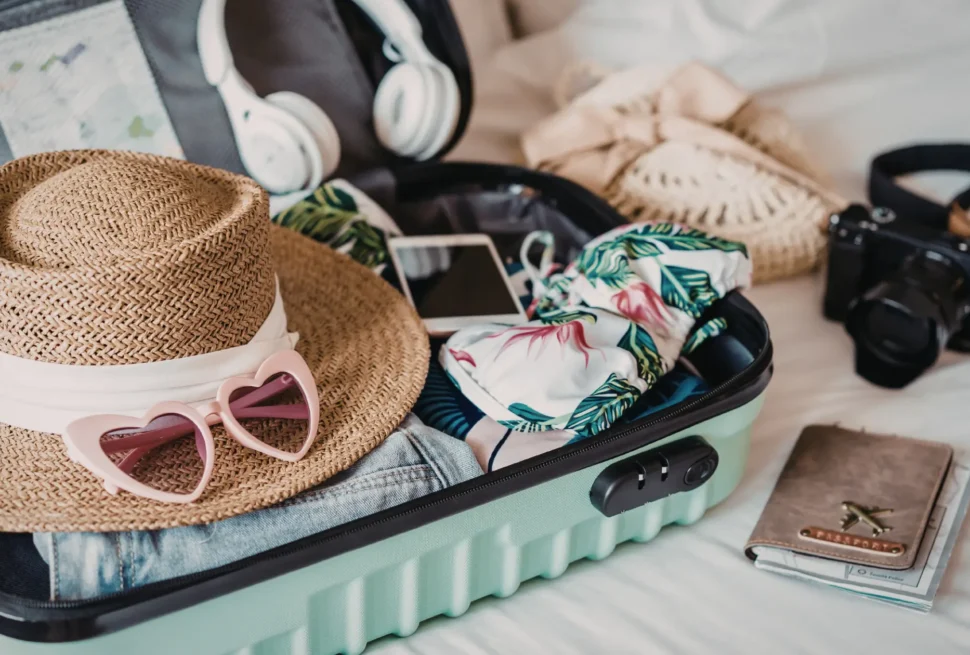
Light, neutral-coloured clothing, a warm layer for early mornings (temperatures drop more than people expect before sunrise), a hat and sunglasses, sunscreen, comfortable closed shoes, a camera with extra batteries, binoculars, a reusable water bottle, personal medication, insect repellent, a power bank, and your travel documents. If you’re flying in, use a soft-sided bag; hard suitcases often don’t fit in light aircraft holds. For the full breakdown, see our Kenya safari packing list.
Samburu Safari Travel Tips
- Book early if you’re travelling in peak season (June to October).
- Choose 4 days over 3 if you’re going by road and your budget allows it.
- Use a 4×4 Land Cruiser rather than a van for better comfort and off-road capability.
- Bring a good camera lens or binoculars; sightings can be at real distance.
- Combine Samburu with Ol Pejeta if rhino sightings matter to you.
- Respect local culture and community rules, especially around photography.
- Confirm current park fees before you travel; they change without much notice.
- Ask exactly what’s included and excluded before booking, every operator draws the line differently.
- Take out travel insurance.
- Start game drives early. The best sightings cluster around dawn, before the heat sets in.
Who Should Book a Samburu Safari Package?
Samburu is ideal for: wildlife photographers, couples and honeymooners, families wanting an educational safari, travellers who’ve already done the Mara, anyone looking for fewer crowds, luxury safari guests, conservation-minded travellers, and people specifically drawn to rare species and northern landscapes.
Samburu may not be ideal for: travellers with only one or two days to spare, anyone who dislikes long road transfers, travellers whose only goal is the Great Migration, or those who want guaranteed rhino sightings without adding Ol Pejeta.
Sample 4-Day Samburu Safari Itinerary from Nairobi
Day 1: Nairobi to Samburu National Reserve Morning departure from Nairobi, driving north through central Kenya with views that shift from farmland to Mount Kenya’s slopes to dry acacia country. Arrive in time for lunch or check-in, then head out for an afternoon or evening game drive.
Day 2: Full-Day Game Drive in Samburu A full day exploring the reserve’s riverine strips, acacia woodland, and dry plains. This is your best shot at the full Special Five plus elephants, lions, leopards, and cheetahs. Lunch is either back at the lodge or a picnic, depending on your package.
Day 3: Samburu Game Drives and Optional Experiences Morning and afternoon game drives, with an optional Samburu cultural visit, a guided nature walk where available, or a side trip to Buffalo Springs or Shaba, depending on your itinerary and the fees involved.
Day 4: Samburu to Nairobi An optional early morning game drive, breakfast, check-out, and the drive back to Nairobi, with drop-off at your hotel, residence, or the airport depending on your onward plans.
Why Book Your Samburu Safari with Imela Tours & Travel?
At Imela Tours & Travel, we help you choose the right Samburu safari package based on your time, budget, travel style, and wildlife interests. Whether you want a short 3-day road safari, a relaxed 4-day Samburu escape, or a luxury fly-in northern Kenya safari like our 5-Day Classic Wings Safari, our team can design a route that actually fits your trip rather than forcing you into a fixed template.
We offer custom planning across budget, mid-range, and luxury tiers, private and group safari options, experienced guides, Nairobi departures, and honest, transparent inclusions and exclusions. We can also help you combine Samburu with Ol Pejeta, Maasai Mara, Amboseli, Lake Nakuru, Mount Kenya, or a coastal extension, whatever the trip actually calls for. Browse our full range of Kenya safari packages, including our flying safari, luxury safari, and tailor-made safari options.
Final Thoughts: Is Samburu Worth Building Into Your Kenya Safari?
Samburu is one of Kenya’s most rewarding safari destinations for travellers who want something beyond the usual route. Rare northern wildlife, striking dry-country landscapes, elephants moving along the Ewaso Ng’iro River, and noticeably thinner crowds than the famous southern parks add up to a safari that feels wild and genuinely different, not a repeat of what everyone else’s Instagram feed already looks like.
A few things to keep in mind before you book:
- 4 days is the better road option over 3, if your schedule allows it
- Combine with Ol Pejeta if rhinos are on your must-see list
- Fly in if you’re short on time or want a more comfortable trip
- June to October and January to February give you the strongest wildlife viewing
- A 4×4 Land Cruiser is worth the upgrade over a standard safari van
Whether you’re planning a short 3-day Samburu safari from Nairobi, a relaxed 4-day package, a Samburu and Ol Pejeta combination, or a luxury fly-in northern Kenya safari, Imela Tours & Travel can help you build the right itinerary. Request a custom Samburu safari quote today, and let us design a package around your dates, budget, and travel style. Your Kenya safari starts here.
Frequently Asked Questions About Samburu Safari Packages
How many days do you need for a Samburu safari?
You need at least 3 days for a Samburu safari from Nairobi, but 4 days makes for a noticeably more relaxed road trip. If you want to combine Samburu with Ol Pejeta, Laikipia, or Maasai Mara, plan for 5 to 7 days.
Is Samburu worth visiting?
Yes. Samburu is worth visiting for its rare northern Kenya wildlife, thinner crowds, dramatic scenery, and the Samburu Special Five, none of which you’ll find on a standard southern circuit safari.
What is the Samburu Special Five?
The Samburu Special Five are Grevy’s zebra, reticulated giraffe, Beisa oryx, Somali ostrich, and gerenuk, five species associated with northern Kenya’s dry landscapes and one of the main reasons travellers make the trip north.
Can I see the Big Five in Samburu?
Samburu has strong wildlife overall, including elephants, lions, leopards, and buffalo, but rhino sightings aren’t a Samburu strength. Combine with Ol Pejeta Conservancy if rhinos are on your list.
How far is Samburu from Nairobi?
By road, it’s roughly 5.5 to 7 hours depending on route, traffic, and stops. Fly-in options from Wilson Airport take about 1 to 1.5 hours.
What is the best time to visit Samburu?
The dry seasons, June to October and January to February, generally offer the best wildlife viewing. Samburu is a year-round destination, and the green season brings fewer crowds and strong birding.
Are Samburu safari packages expensive?
They range from budget to ultra-luxury depending on accommodation, transport, duration, season, and whether you travel by road or air. Request a quote for pricing matched to your specific dates and preferences.
Can I combine Samburu with Maasai Mara?
Yes, and it’s one of the strongest combinations available in Kenya. Samburu delivers rare northern species while the Mara delivers classic savannah game viewing and, in season, the migration itself.
Is Samburu good for photography?
Yes, thanks to rare wildlife, open dry landscapes, elephants gathering near the river, strong light, and far fewer vehicles at sightings than you’ll find in busier parks.
Are Samburu safaris suitable for children?
Generally yes, especially with a private vehicle and a family-friendly lodge. Check individual lodge age policies and set a pace that works for your kids rather than rushing a 3-day itinerary.
For the latest official park fees and regulations, check the Kenya Wildlife Service and Magical Kenya. Grevy’s zebra conservation figures referenced above come from the Grevy’s Zebra Trust.
Related Reading from Imela Tours & Travel:
- How Much Does a Kenya Safari Cost in 2026?
- Best Kenya Safari Packages from Nairobi in 2026
- Maasai Mara vs Amboseli: Which Kenya Safari Is Better?
- 7-Day Kenya Safari Itinerary: Perfect First-Time Safari Guide
- The Great Migration in Kenya: Complete Guide
- Kenya Safari Packing List: What to Bring on Safari
- Luxury Safari in Kenya: Best Lodges & Experiences 2026 Guide
- Budget Safari in Kenya: How to Travel Cheap Without Missing Out
- Samburu National Reserve
- Ol Pejeta Conservancy